

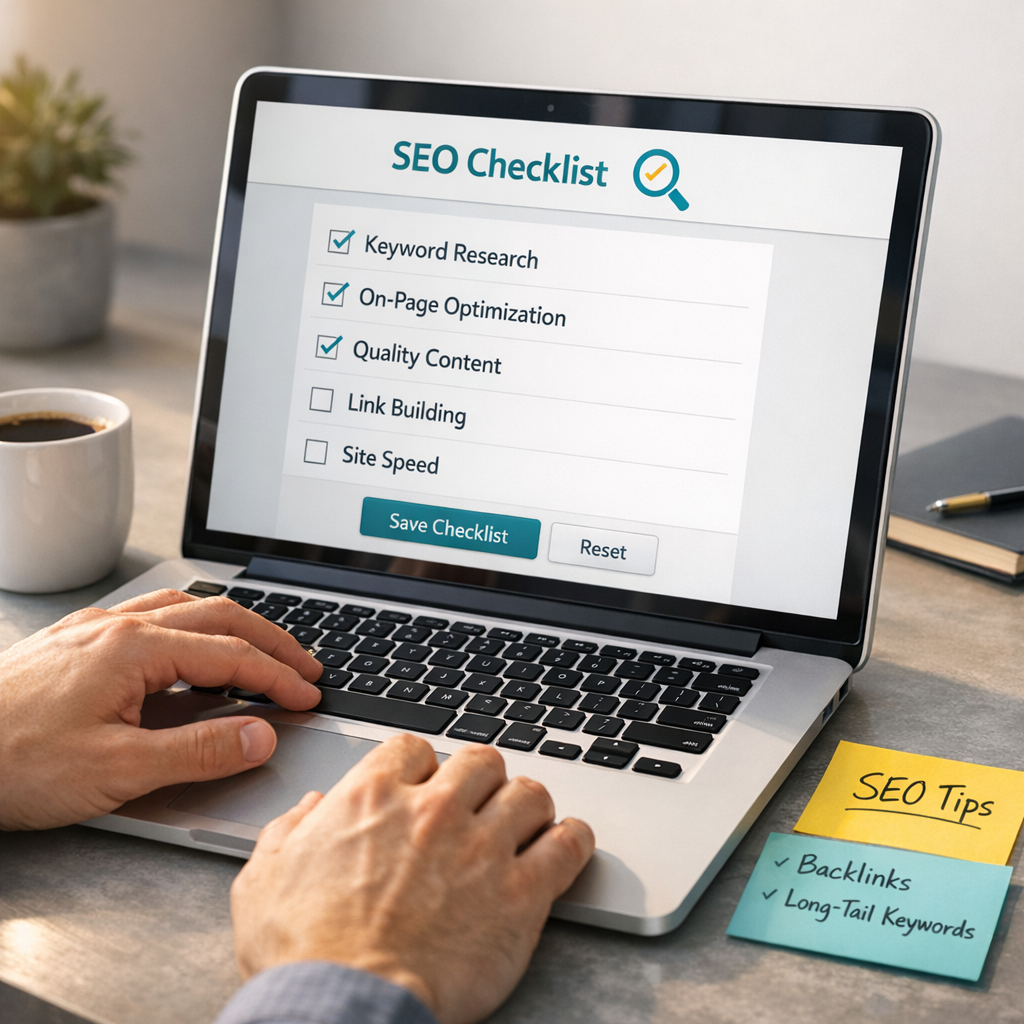
Want fast organic wins without hiring an agency? This article gives you a tight, practical roadmap to set up SEO quickly and start seeing traction in weeks, not months. Use this diy seo quick setup checklist to prioritize the high-impact items first, then move into steady optimizations that compound traffic over time.
Why a focused quick-setup checklist works
Here's the thing, most SEO efforts fail because people try to do everything at once. This checklist forces focus. You’ll tackle the low-hanging fruit that moves the needle fast: title tags, meta descriptions, internal linking, page speed, and simple content fixes that increase clicks and impressions immediately.
How to use this checklist
- Run the list once to get immediate wins. 2. Prioritize items by impact and effort, doing the high-impact, low-effort tasks first. 3. Track results for 30, 60, and 90 days, then iterate.
The 12-step DIY SEO Quick Setup Checklist
1. Audit and fix title tags for top pages
Why it matters: Titles are the first thing searchers see. Quick edits here increase click-through rates. Focus on pages ranking on page one or two. Keep titles concise, descriptive, and compelling.
Quick steps:
- Open your top 20 pages in Search Console or your analytics tool.
- Rewrite title tags for pages ranking positions 2–10 to add power words, numbers, or benefits.
Learn more about title best practices from industry research and guides like Ahrefs and other SEO resources.
2. Write conversion-focused meta descriptions
Meta descriptions don’t directly change rank, but they drive clicks. Write short benefits-based snippets with a clear call to action and one target phrase.
3. Improve page speed and Core Web Vitals
Page speed directly impacts user experience and can affect rankings. Aim for LCP under 2.5 seconds, INP under 200 ms, and CLS below 0.1. Use lazy loading, optimize images, and enable caching.
Tools to use: Google PageSpeed Insights and the Core Web Vitals report in Search Console.
4. Fix broken pages and reclaim links
Find 404s with backlinks and redirect them to relevant pages, or restore the content. This recovers link equity fast.
5. Quick internal linking wins
Add 2–3 contextual internal links from high-traffic pages to priority pages you want to rank. Use descriptive anchor text and avoid over-optimization.
6. Target low-competition keywords for fast rankings
Do a quick keyword scan to find long-tail phrases with low competition but clear intent. Prioritize informational searches you can answer with short, useful posts.
7. Refresh high-potential existing posts
Update top-performing but outdated posts with current stats, a fresh intro, and an optimized H2 structure. This often lifts rankings without adding new posts.
8. Optimize on-page headers and structure
Make H1s and H2s descriptive and include one target phrase naturally. Break long blocks into shorter paragraphs and use bullet lists.
9. Add structured data for rich results
Implement simple schema like Article, FAQ, or Product schema where relevant. This can boost SERP visibility and CTR.
10. Quick content repurposing and distribution
Turn a high-value post into a short video, social thread, or newsletter. Repurposing increases reach and brings traffic back to your site.
11. Lightweight backlink outreach
Identify 5–10 realistic linking opportunities: partners, industry roundups, or sites that linked to outdated resources. Send a short, helpful outreach note.
12. Set up an easy monitoring cadence
Track impressions, clicks, and CT R in Search Console, and record page-level changes. Revisit this checklist every 30 days.
Tactical templates you can swipe
- Title template for service pages: "[Primary Service] for [Audience] | [Unique Benefit]".
- Quick outreach email: "Hi [Name], noticed you linked to [old resource]. I updated a modern guide that fits—would you consider linking to it?" Keep it under 50 words.
Tools and quick resources
- Page speed and Core Web Vitals: Google Search Console and PageSpeed Insights. (See Google’s Core Web Vitals guidance.)
- Fast SEO wins and prioritization examples: action lists from industry leaders such as Ahrefs.
- If you want automation that publishes optimized posts and internal links, check ContentBeast integrations and automation options to scale consistent blogging across platforms.
FAQs
How long before I see results from these quick wins?
You can see changes in impressions and clicks within days for title and meta updates, but meaningful ranking movement typically appears in 30 to 90 days depending on competition.
Which tasks should I prioritize if I only have one hour?
Edit title tags and meta descriptions for 3 pages that already rank on page two or three. Add one internal link from a top-performing page to each target page.
Do I need technical SEO skills to implement this checklist?
No, most items are simple edits in your CMS. For speed and schema updates you may need a developer, but many CMS plugins can help.
Can republishing a post hurt my SEO?
Not if you update content meaningfully. Keep the original URL, improve the content, and note the update date to users. Avoid changing URLs unless you redirect properly.
Should I use AI to write these quick posts?
AI is a great drafting tool, but always edit for accuracy, brand voice, and unique insights. Use AI to speed up outlines, then refine.
What’s the fastest way to find low-competition keywords?
Use a keyword tool to filter by low volume competition and look for question-style long-tail queries. Then create concise, helpful answers.
Is internal linking really that important?
Yes, internal links pass relevance signals and help search engines find pages. Small, strategic internal-linking changes can lift page performance quickly.
Get Fast, Consistent Traffic With Less Work
Ready to scale these quick wins without adding headcount? Content automation tools can publish optimized posts, add internal links, and save you hours every week. See how they integrate with your site on the ContentBeast integrations page and homepage.
- Automate posts and internal linking: https://contentbeast.com/integrations/
- Learn how automation works: https://contentbeast.com/
Conclusion
This checklist gives you a practical, prioritized path to early SEO wins you can implement in a day or a weekend. Start with title tags, meta descriptions, and internal linking, then add performance and content refreshes. Track results, rinse, and repeat. Small, consistent improvements compound into meaningful traffic gains.