

You don't need a big agency or a huge budget to get steady organic traffic. With the right systems and priorities, small teams can outpace larger competitors by focusing on the fundamentals that matter most for discovery, conversions, and growth.
Here's the thing, when you commit to a simple, repeatable process for keyword research, on-page optimization, internal linking, content refreshes, and lightweight technical fixes, DIY SEO for small business becomes an affordable channel that compounds over time.
Why DIY SEO is the right play for early-stage businesses
You need predictable, low-cost channels that scale with effort, not ad spend. SEO fits because: organic traffic is reusable, content lives forever, and small, smart optimizations can deliver outsized results. Instead of chasing every tactic, focus on high-impact moves: keyword selection with buyer intent, a consistent blogging workflow, internal linking that spreads authority, and quick technical cleanups.
If you want a practical starting point, follow a prioritized roadmap below. This is built for founders and small marketing teams who need repeatable daily blogging and content refresh strategies that save time and cost.
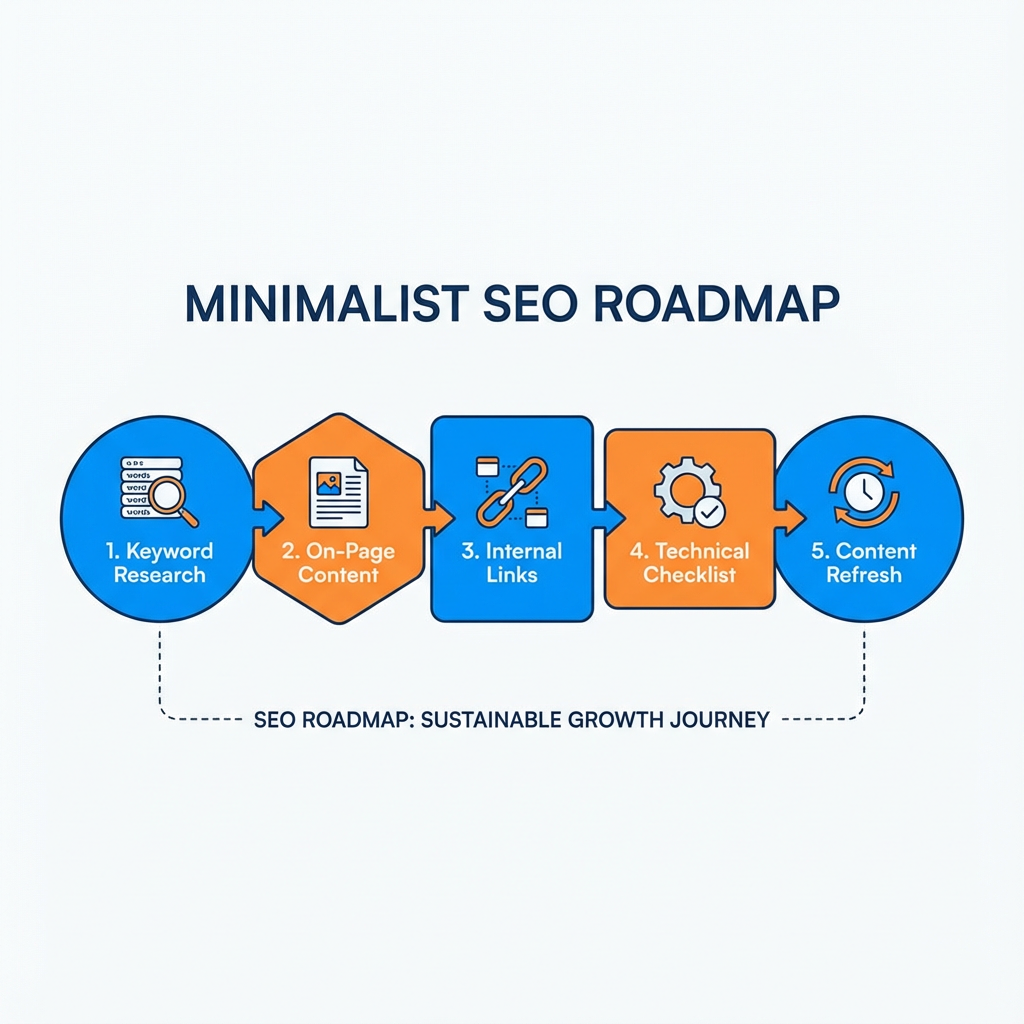
DIY SEO for Small Business Checklist
Start here and build a 90-day plan around these steps.
1) Low-competition keyword research, fast
- Use simple tools to find long-tail queries and question phrases your customers ask. Look for search intent that matches purchase or strong consideration.
- Prioritize keywords with clear commercial or informational intent you can rank for in weeks.
- Create a content calendar that targets one primary keyword and 3–5 supporting phrases per post.
2) On-page writing that converts
- Write 800 to 1,500 words focused on satisfying search intent. Answer the question early, then expand with examples, step-by-step instructions, and visuals.
- Use headings, short paragraphs, and numbered lists for readability.
- Add a clear call to action and internal links to related pages so readers keep moving through your site.
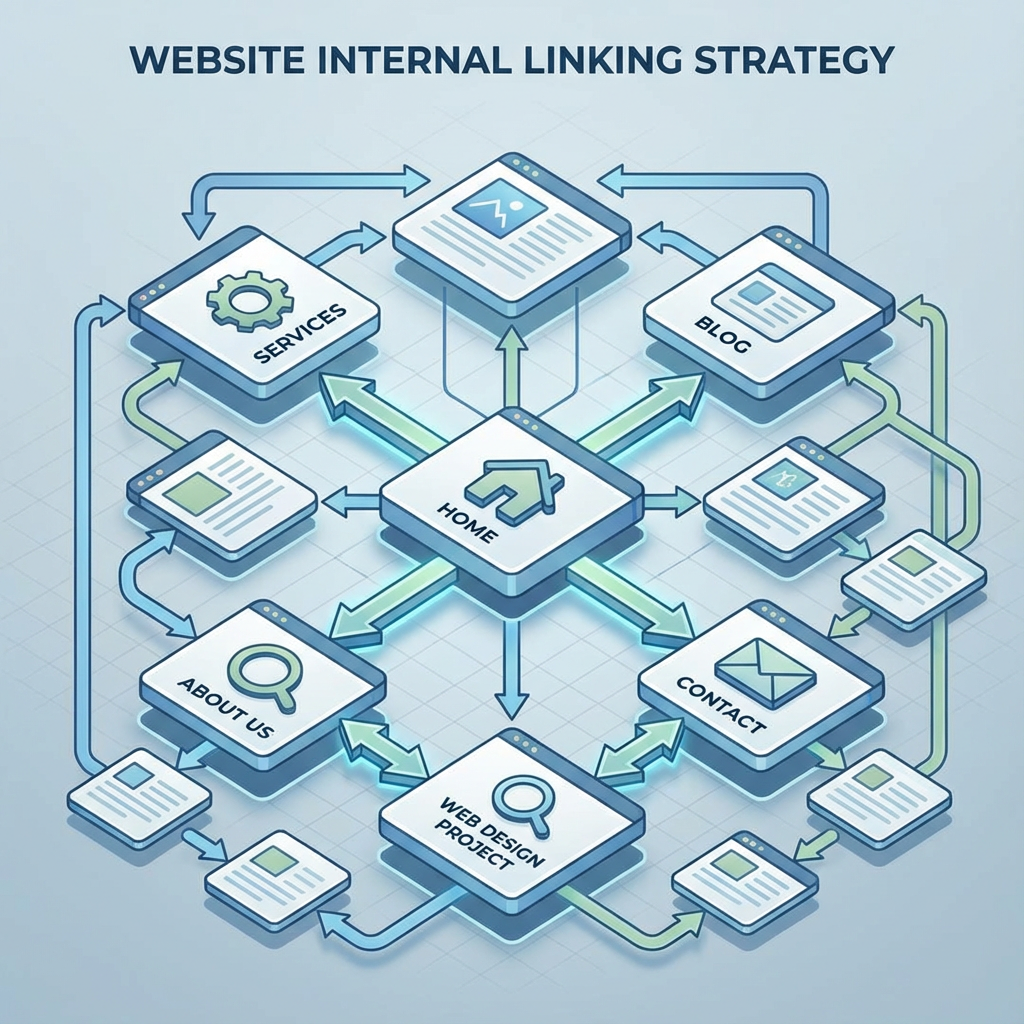
3) Internal linking strategies that multiply value
- Link new posts to an existing pillar page and vice versa, using descriptive anchor text. This spreads relevance and keeps users engaged.
- Update older high-traffic pages to include links to recent posts, boosting crawls and visibility.
- Track your top linked pages and ensure they have a conversion element.
4) Lightweight technical checklist
- Ensure fast load times by compressing images and using lazy loading.
- Use descriptive title tags and meta descriptions that match intent.
- Check mobile usability and fix broken links.
- Submit a sitemap and monitor indexing.
5) Content refresh and repurposing
- Every 3–6 months, refresh your best-performing posts: update facts, add recent examples, improve structure, and expand sections.
- Repurpose long posts into short videos, social posts, and email sequences to increase distribution without heavy new writing.
Daily and weekly routines that scale without hiring
Daily: create or edit a short 400–600 word post fragment, optimize images, and add one internal link. Weekly: publish one full article, promote it on social, and update an existing page. Monthly: audit top performing pages and refresh as needed.
Tools and quick resources
- Use lightweight keyword tools for long-tail discovery, plus your site search data and customer FAQs.
- Follow official guidance when you're fixing technical issues, for example Google’s SEO Starter Guide: Google Search Central.
- For content strategy fundamentals, see Moz Beginner’s Guide to SEO.
How AI fits into DIY SEO, without losing quality
AI can speed drafting, generate topic ideas, and create meta descriptions, but always edit for voice and accuracy. Use automation to create first drafts, then refine for relevance and reader value. Set guardrails so AI supports your strategy, it does not replace your brand judgment.
Common objections, answered
- "I don’t have time" — Do micro-content: 30–60 minute writing sprints and reuse the output. Daily small wins beat sporadic marathon sessions.
- "SEO is too technical" — Start with content and internal links, which are the highest ROI for small sites. Add technical fixes gradually.
- "I need immediate results" — Combine SEO with a small paid campaign to accelerate early traffic while you build organic momentum.
FAQs
How long before DIY SEO shows results?
Most small businesses start seeing meaningful organic improvements in 3 to 6 months when they publish consistent, targeted content and fix basic technical issues.
What is the single most important SEO action I can take?
Publishing helpful, intent-matching content consistently, then linking it to related pages so search engines can understand relevance.
Should I use AI to write my blog posts?
Yes, for drafts and ideation, but always edit to add expertise, unique examples, and a brand voice that AI cannot replicate.
How do I pick low-competition keywords?
Look for long-tail queries with clear intent that your site can satisfy, and check SERP features and competing page quality before committing.
How many internal links should a post have?
Aim for 3 to 5 relevant internal links that help users and guide crawlers, avoid unrelated or excessive linking.
Can I do SEO without technical skills?
Yes. Focus on content, links, and user experience first. Use simple plugins or an affordable freelancer for technical tasks if needed.
Quick wins you can implement today
- Refresh one high-traffic page with a new section and 2 internal links.
- Compress and replace large images on your top landing page.
- Publish one helpful long-tail blog post targeting a question your customers ask.
Ready to scale your organic traffic?
If you want repeating systems that produce steady traffic without heavy costs, start with the 90-day checklist above and commit to consistent publishing. For hands-off scale and daily blogging workflows, explore how ContentBeast helps teams automate content creation and distribution: https://ContentBeast.com
Conclusion
DIY SEO for small business is about discipline, prioritization, and systems. You do not need every advanced tactic on day one. Start with focused keyword choices, helpful content, smart internal linking, and routine refreshes. Over time, those small, consistent actions compound into reliable organic growth. Pick one step from the checklist and run with it this week, then build the habit.
Internal resources to explore:
- Learn efficient publishing workflows on the ContentBeast blog, https://ContentBeast.com/blog/
- Browse practical guides and templates at https://ContentBeast.com/guides/
- Try tools and automation ideas at https://ContentBeast.com/tools/