

Low Competition Keywords for Blogging: Fast Traffic Ideas in 90 Days
If you want faster wins from your blog without competing with giant sites, start by hunting the right search opportunities. In this article you will learn how to find and use low competition keywords for blogging that bring steady organic visitors with minimal effort.
Here’s the thing, most bloggers chase high-volume phrases and get buried. Targeting long-tail, niche search terms, and intent-driven phrases gives you actionable paths to top rankings, often within weeks. Read on for a practical, 90-day roadmap, repeatable tactics, and content templates you can use today.
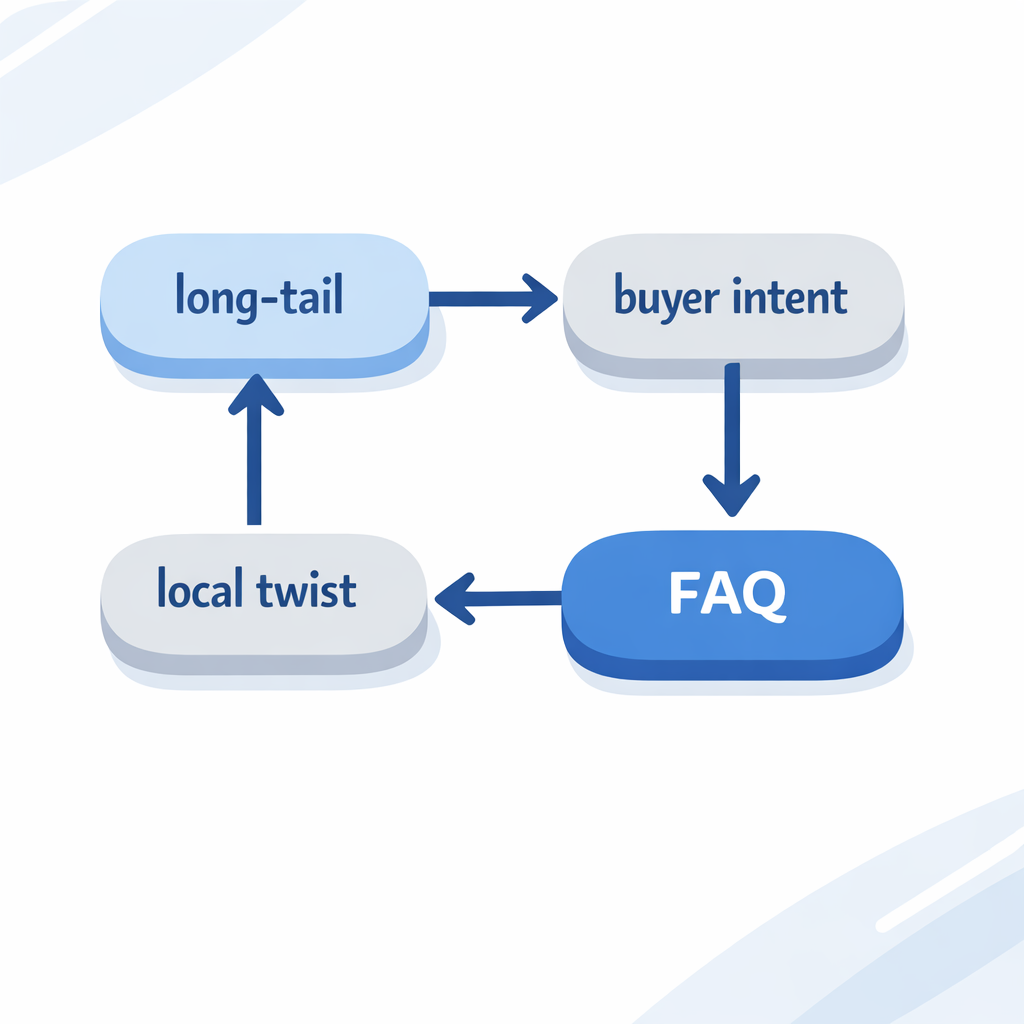
Why low competition keywords work, fast
Low competition keywords are specific search phrases where fewer authoritative pages compete for ranking. That means a well-optimized, helpful post can outrank bigger sites because search intent is narrow and the content can satisfy it completely. For small teams and solo creators, this is the fastest route to measurable traffic and leads.
Benefits at a glance:
- Faster rankings, because fewer high-authority competitors target these queries.
- Higher conversion rates, because phrases are often intent-rich and targeted.
- Lower production cost, since shorter posts or focused guides can win.
How to find low competition keywords that actually convert
1. Start with narrow intent
Think like a searcher. Instead of "project management software," try "project management for solo freelancers with invoices." Longer phrases show clear intent and fewer competitors.
2. Use simple tools and patterns
You do not need expensive software to get started. Combine these quick approaches:
- Autocomplete patterns from search engines, forums, and social networks.
- “People also ask” style questions converted into long-tail topics.
- Niche community language on Reddit, Facebook Groups, and product review sites.
3. Look for low-authority result pages
When SERPs are populated mostly by forum posts, Q and A, or single-brand pages, the competition is often weak. Those are priority wins.
4. Check search intent fit
If the top results are transactional pages but your content is informational, refine the phrase. Match intent: informational, navigational, or transactional.
Content formats that win for low competition phrases
- Short how-to posts that solve a single pain point.
- Step-by-step checklists or mini-guides under 1,200 words.
- Localized content with place names, e.g., "best bookkeeping app for cafes in Austin."
- FAQ pages answering 6 to 10 related micro-questions.
A 90-day playbook to rank quickly
Week 1 to 2: Research and shortlist 10 low-competition long-tail phrases. Pick phrases with clear, singular intent.
Week 3 to 6: Publish 3 to 5 focused posts. Optimize titles, H2s, and on-page content for the phrase plus 2-3 close variations.
Week 7 to 12: Promote posts with a few targeted shares in niche communities, add internal links from existing content, and update the posts based on early queries and user feedback.
By day 90, you should expect traffic growth on at least a couple of these posts, and clear ideas for content refreshes that scale further.
Practical on-page SEO checklist
- Title: include target phrase naturally, keep it compelling.
- URL: short, readable, and includes the phrase.
- First 100 words: use the phrase once and answer the core query quickly.
- H2s: break the post into scannable steps or subtopics.
- Internal links: link from relevant older posts where it makes sense.
- Schema: add FAQ schema when you have question-style sections.
Content repurposing and distribution for fast uplift
- Turn posts into short videos or carousel images to share in niche communities.
- Create 2-3 tweet/LinkedIn threads that extract practical tips.
- Add the post to your email drip for targeted segments.
Common objections and real responses
You might think "big sites will crush me." Not always. Big sites avoid granular niche topics with tiny search volumes. You win by being more specific and solving the exact problem.
Another concern is time. Focus on a handful of high-probability phrases and use a repeatable publishing template to cut production time in half.
FAQs
What counts as a low competition keyword in 2026
A low competition keyword is a query where top-ranking pages show low domain authority, thin content, or forums as primary results. Look for narrow intent and long-tail phrasing.
How many low competition keywords should I target per month
Start with 5 to 10 candidates, publish 3 to 5 posts, then scale based on results. Quality and intent match beat volume.
Can I use cheap keyword tools and still win
Yes. Many wins come from observing community language and search engine autocomplete. Paid tools speed discovery but are not required for early wins.
How long before I see traffic from these posts
If the topic is poorly contested, rankings can appear in weeks. Expect clearer gains within 6 to 12 weeks with consistent promotion and internal linking.
Should I target local modifiers for faster results
Yes. Adding city, industry, or platform modifiers often reduces competition and increases conversion potential.
Do these keywords lead to revenue
They often do because long-tail keywords reveal stronger purchase or action intent, which leads to better conversion when content and CTAs align.
Example content templates you can copy
-
Quick Fix Post: "How to X in 10 Minutes for Y" — 600 to 900 words, 3 steps, one screenshot.
-
Local Guide: "Best X Tools for [City/Industry]" — 800 words, short reviews, local modifiers.
-
FAQ Cluster: "All questions about X" — 1,000 to 1,500 words, structured Q and A with schema.
Get results with ContentBeast
Ready to scale this approach without hiring a full team? Use ContentBeast to generate outlines, internal linking suggestions, and templated posts so you can publish daily without fatigue. Start with a few low-competition targets and watch them compound into consistent organic traffic. Visit https://ContentBeast.com to try it now.
Conclusion
Low competition keywords for blogging are not a trick, they are a strategy. Focus on narrow intent, create highly relevant posts, and promote them where your audience already hangs out. With a 90-day focused plan you can turn a handful of targeted posts into steady traffic and leads, without massive budgets or big teams. Start small, measure quickly, and double down on winners.