

When you need fast organic growth for a SaaS, blogging can move the needle quickly if you focus on tactical, high-leverage moves instead of publishing more generic posts. The right mix of low-competition keyword targeting, internal linking sprints, and lightweight distribution often produces measurable traffic in weeks rather than months.
Here are Blogging Tactics With Fast Traffic Upside For SaaS that prioritize quick wins, minimal setup, and measurable sign-ups so your team can focus on product and conversions.
How to think about fast-traffic blogging for SaaS
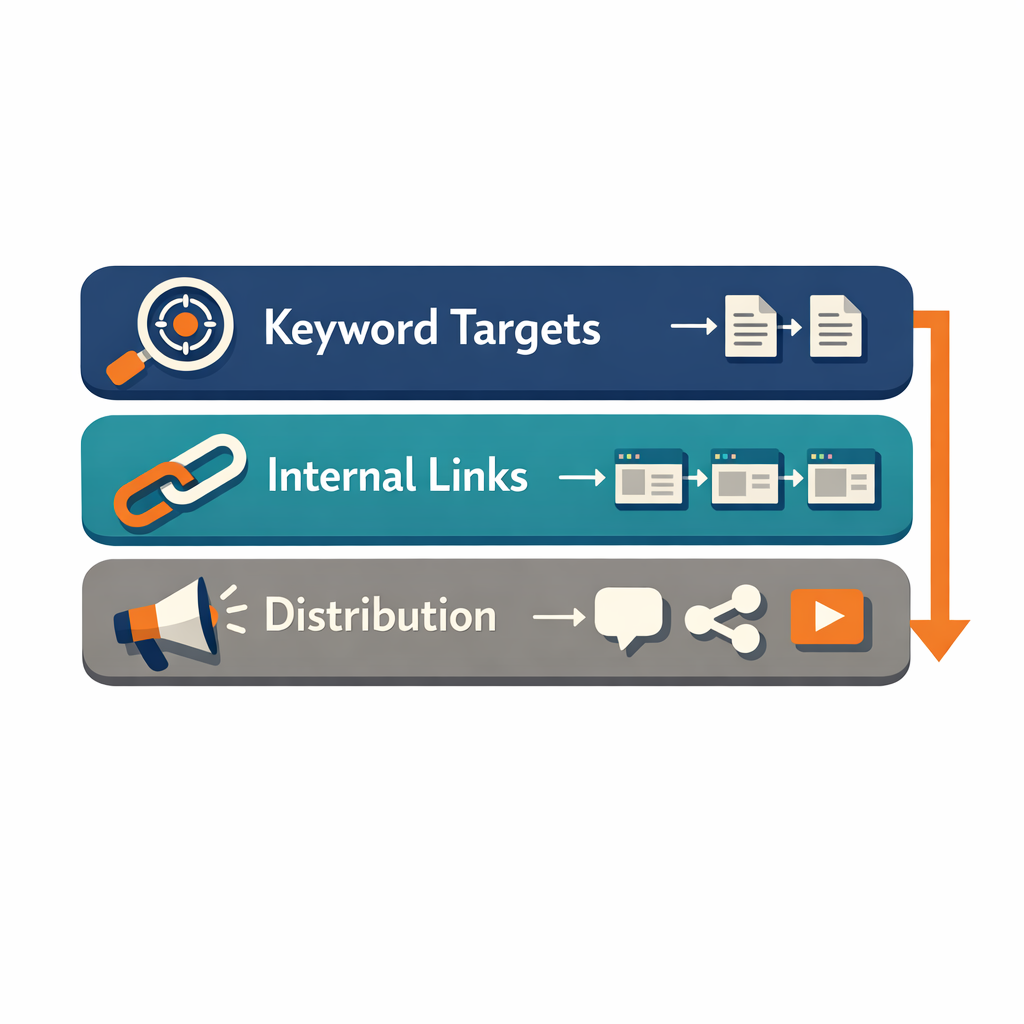
Fast traffic does not mean low quality. The point is to prioritize content that has high intent or easy discoverability, then convert visitors with product-focused CTAs and short funnels. Focus on three parallel lanes: quick-win content types, internal link and refresh sprints, and lightweight promotion. Combine those with small AI automations to scale without heavy editorial overhead.
Quick-win content types that convert fast
1. Short tutorial/How-to posts focused on a use case
- Pick a single, high-value use case where your product shines. Write a 600-900 word step-by-step guide that includes screenshots and a quick demo or template. These pages convert because they match buyer intent.
2. Comparison pages vs one or two competitors
- Publish concise comparisons that highlight where you win, with clear feature tables and pricing notes. People searching for comparisons are close to decision.
3. Integration and how-to with popular tools
- Create step-by-step integration guides for 2-3 widely used tools in your niche. These often rank fast and bring targeted, qualified traffic.
4. Short industry checklist or template posts
- Checklists, templates, and quick downloads get shared and attract backlinks, and they are easy to produce with a 1–2 person effort.
Target low-competition intent keywords fast
- Use keyword buckets like “how to”, “vs”, “integrate”, and “template” combined with niche product terms. These often have lower competition and higher conversion intent.
- Aim for long-tail phrases you can rank for with a single focused page and some internal link juice.
- Realistic timeline: rank improvements in 4–8 weeks for low-competition terms if you publish and promote properly.
Internal linking sprints for immediate SEO impact
- Run a 1–2 day internal linking sprint: identify 5–10 existing pages with some traffic, and link to your new quick-win posts from them using relevant anchor text. This passes authority quickly and helps search engines index and rank the new content.
- Add a small sitewide “resources” or “templates” hub page that links to your quick-win posts, concentrating link equity in one place.
Content refresh ideas that lift rankings without new posts
- Update headlines, add a short summary, refresh screenshots or metrics, and expand any thin sections by 100–300 words.
- Combine several thin posts into a single authoritative guide when they overlap, then 301 the old URLs to the new one.
- Add structured data where relevant, such as FAQ schema on how-to pages, to increase visibility in rich results.
Lightweight distribution tactics that amplify reach
- Post the checklist or template to niche communities and product forums, not just broad social media.
- Email a short digest to existing customers with a one-click CTA to try the product with the new template.
- Repurpose the guide into a short video or carousel for LinkedIn and embed it on the blog post for added dwell time.
AI automations and agent ideas that save time
- Use an AI assistant to generate first drafts and outlines, then edit for accuracy and tone. This cuts writing time by 40 to 60 percent.
- Automate weekly internal link audits and a small task queue that surfaces pages with declining traffic for refresh.
- Create a tiny AI agent that suggests 3–5 low-competition keyword ideas weekly, prioritized by intent.
Measurement and realistic timelines
- Expect initial traffic improvements in 3–8 weeks for long-tail, low-competition targets, and 8–16 weeks for more competitive terms.
- Track sign-ups from blog traffic separately from product trial channels so you can tie content to ROI.
- Use simple KPIs: organic sessions, pages per session, goal completions from blog pages, and conversion rate of visitors to trials.
Common objections and how to handle them
- "We do not have the writers." Use AI-assisted drafts, templates, and a 2-step editing workflow with one reviewer.
- "Blog traffic takes too long." Focus on the low-competition, high-intent posts and internal link sprints described above for faster wins.
- "We need proof it converts." Run a short A/B test: swap the CTA on a performing post to a trial link and measure lift for 2–4 weeks.
Frequently asked questions
How quickly can a small SaaS expect traffic from this approach?
You can see measurable organic traffic in 4–8 weeks for low-competition long-tail posts when combined with internal linking and small promotions.
How many posts should we publish per month to start?
Start small, 2–4 focused posts a month, and prioritize depth, conversion elements, and promotion over volume. Quality and relevance beat frequency.
Do templates and checklists really drive sign-ups?
Yes, because they solve immediate problems and can be paired with product-focused CTAs or trial offers that demonstrate value quickly.
Which pages should I link from during an internal linking sprint?
Pick pages that already rank or get consistent traffic, such as cornerstone guides, product pages, and popular blog posts.
Can we use AI content and still rank well?
AI is a productivity tool. Use it to draft, but always add product examples, screenshots, and a human edit to ensure accuracy and uniqueness.
What metrics show that blogging is delivering ROI for SaaS?
Track blog-attributed trials or sign-ups, lead quality from blog sources, and organic traffic growth to conversion pages. Tie these to LTV where possible.
Next steps you can run this week
- Pick one customer use case and write a 700-word how-to guide with screenshots. 2. Run an internal linking sprint from three existing pages. 3. Share the post in one niche community and in your customer newsletter.
Grow faster with a simple workflow
You do not need a massive editorial calendar to get quick wins. Focus on targeted pages, fast internal link moves, small distribution plays, and AI-assisted production to achieve fast traffic upside. Here is the thing, these tactics scale: once a format ranks, you can replicate it across verticals and integrations for compounding returns.
Ready to scale your blog without big teams
If you want plug-and-play templates, content workflows, and done-for-you internal linking checklists that speed up results, check out ContentBeast for practical tools and services that help SaaS teams publish faster and convert traffic into trials.
Learn how ContentBeast speeds up content production and distribution
Conclusion
Fast traffic for SaaS blogging is not magic, it is method. By choosing the right content types, targeting low-competition intent, running short internal linking sprints, and using lightweight distribution plus AI automation, you can drive meaningful organic growth in weeks. Start with one focused use case, measure sign-ups from that content, and iterate quickly to scale wins.