

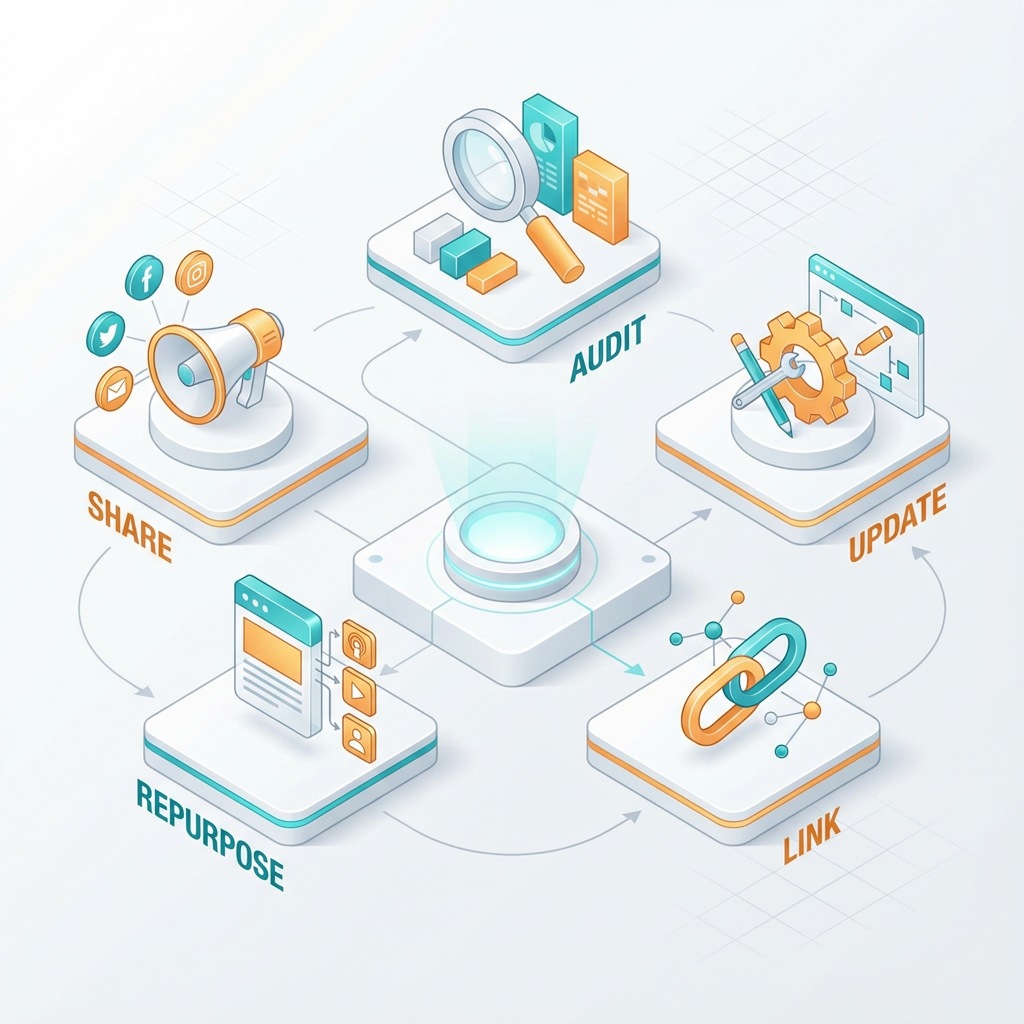
Refreshing existing content can be one of the fastest ways to win more organic traffic without publishing brand new posts. In this guide you will get practical, low-effort refresh ideas that deliver quick traffic lifts, plus step-by-step tweaks you can apply in a single work session. I'll show simple prioritization rules, repurposing hacks, and internal linking moves you can implement today.
Here are actionable content refresh ideas fast traffic tactics that small teams, SaaS founders, and busy content marketers use to revive old posts and capture quick search and AI visibility wins.
How to pick posts for fastest impact
Not every old post is worth refreshing. Use a quick triage you can do in 10 minutes per post:
- Look for posts with steady impressions but falling clicks, or pages ranking on page 2 for target keywords. Those are low-hanging fruit.
- Prioritize high-intent content like how-tos, product comparisons, and guides. They convert better.
- Favor posts with existing backlinks or social traction, they recover faster.
Quick checklist to score posts (0-10): recent impressions (0-3), keyword intent (0-3), backlinks/CTA value (0-2), update complexity (0-2). Refresh high scorers first.
Fast refresh tactics that drive traffic in days
1) Update title and meta to match intent
A small headline change can flip click-through rates. Rewrite titles to be clearer, add action words, and reflect the searcher intent. Also rewrite meta descriptions to include a benefit and a call to action. Test one title variant and monitor clicks for 7-14 days.
2) Improve first 300 words and structure
Search engines and AI answer engines favor clear, scannable openings. Add a concise 2-3 sentence hook, include your main keyword and synonyms naturally, and break long paragraphs into short chunks and bullets.
3) Add a fresh data point, example, or image
One updated stat, an original screenshot, or a new micro case study can signal freshness. That small edit often triggers re-crawling and a ranking boost.
4) Expand with a quick FAQ or TL;DR
Add 2-4 focused FAQs or a short "Quick answer" box near the top for snippet opportunities. Use natural language questions people actually ask in search and conversational AI.
5) Internal linking boost
Find three relevant newer posts and link them to the refreshed page with descriptive anchor text. Also add 1-2 internal links from high-traffic pages back to the updated content. Internal linking transfers relevance fast.
6) Clean up outdated links and thin sections
Remove broken links, prune underperforming paragraphs, and merge or split sections that are too long. A tidy page reads better and often improves dwell time.
7) Repurpose the top paragraph into other channels
Turn the updated intro into a short tweet thread, LinkedIn post, or newsletter blurb with a link back. Small distribution can jumpstart traffic and trigger social signals.
Lightweight workflows for one-person teams
30-minute refresh sprint
- Pick a high-potential post.
- Update title and meta (5 minutes).
- Rewrite first 300 words and add a one-line TL;DR (15 minutes).
- Add 1 internal link and scan for broken links (5 minutes).
- Publish and share on one channel (5 minutes).
Do this two or three times a week and you will compound gains without heavy production.
Metrics to watch after a refresh
- Click-through rate from impressions, within 7-14 days.
- Rankings for primary and secondary keywords, check weekly for a month.
- Organic sessions and pages per session.
- Backlink activity if you added new examples or quotes.
Repurposing ideas that drive fast traffic
- Create a short explainer video from updated paragraphs, upload to YouTube, and link back.
- Export a shareable checklist or one-page PDF and gate it lightly for email capture.
- Convert the post into a carousel for LinkedIn or Instagram with a link to the full article.
Quick objections, answered
- "Will small updates actually move the needle?" Yes, targeted edits to title, intro, and internal links often produce measurable improvements within weeks.
- "Do I need new content for meaningful growth?" Not always. Refreshing high-potential pages is frequently faster and cheaper than building new posts from scratch.
- "What about resource limits?" Use the 30-minute sprint method and batch similar posts for efficiency.
Frequently asked questions
How often should I refresh blog posts?
Refresh evergreen, high-potential posts every 6 to 12 months, or sooner if major industry changes occur. For fast wins, target posts that are 6-24 months old with steady impressions.
Which pages give the fastest traffic lift?
How-to guides, comparison pages, and posts with conversion intent typically deliver the fastest returns when refreshed.
How many edits are enough to trigger re-crawl?
Small meaningful edits like title/meta changes, new data, or added internal links are often enough. Major rewrites take longer but may yield larger gains.
Should I change the URL when updating content?
Avoid changing URLs unless necessary. If you must, set up a 301 redirect and update internal links to avoid losing value.
Can AI help with content refreshes?
Yes. Use AI to draft improved intros, generate FAQs, or suggest meta descriptions. Always human-edit before publishing to maintain accuracy and brand voice.
How do I measure success after a refresh?
Track CTR, ranking positions, organic sessions, and conversion events for 4-12 weeks after the update.
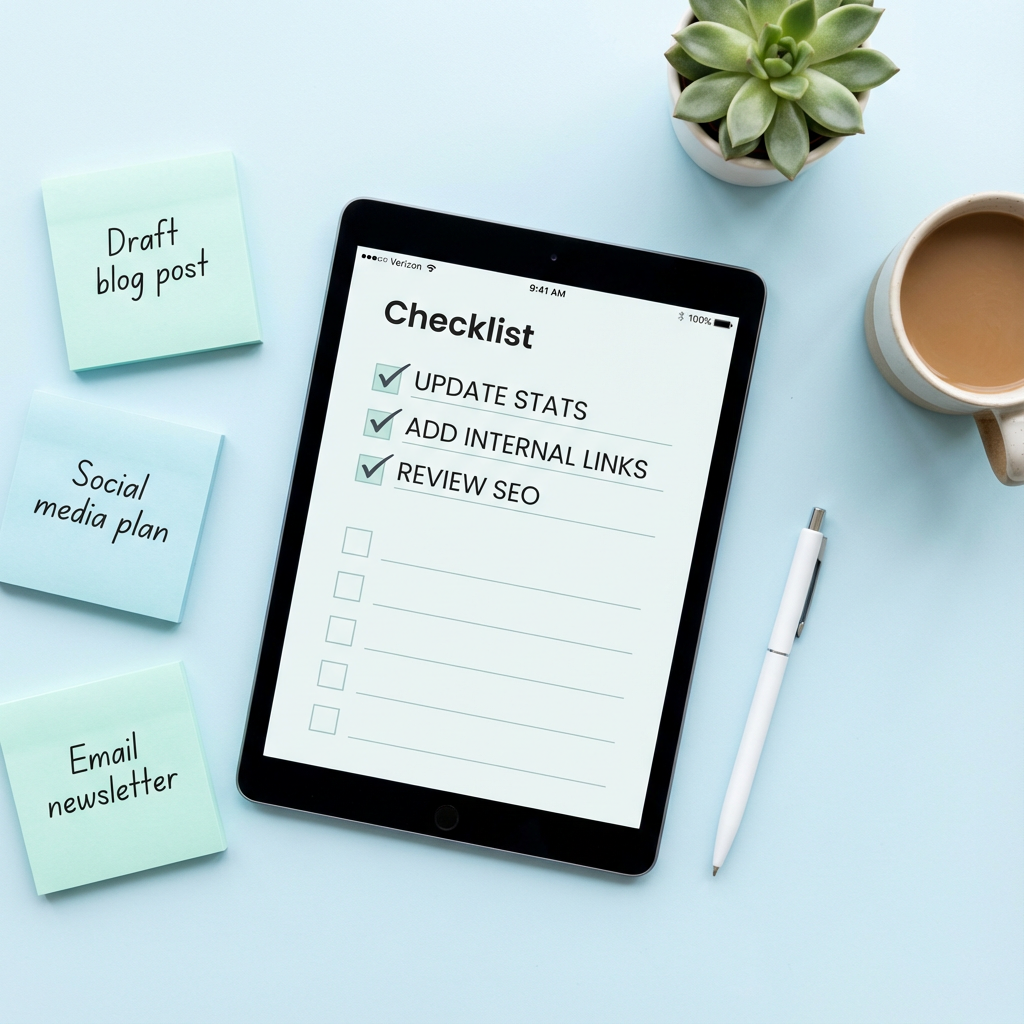
Quick wins checklist (do this now)
- Update the title to reflect intent.
- Rewrite opening 300 words, add TL;DR.
- Add or refresh one image or data point.
- Add 1-3 internal links and remove broken links.
- Share the refreshed content on one channel.
Want faster results with less effort?
Try batching three refresh sprints in a week, then monitor results. Small repeated wins compound quickly and make scaling content much easier.
Ready to scale this process?
If you want structured templates, automated checklists, and a simple workflow to run refresh sprints repeatedly, visit https://ContentBeast.com and explore tools and services designed for fast organic growth. Implementing these quick refresh ideas can lift traffic without the heavy lift of brand new posts.
Conclusion
Refreshing content is one of the most efficient ways to increase traffic fast. With focused edits to titles, intros, internal linking, and quick repurposing, you can unlock gains in days and build momentum over weeks. Use the 30-minute sprint to keep updates consistent, and watch small changes add up to meaningful growth. Start with one post today and scale from there.