

If you're chasing quick, reliable blog growth without huge budgets or a full content team, this guide lays out pragmatic steps that move the needle fast. You will get tactical ideas you can implement in a day or a week, practical workflows that save time, and simple ways to amplify every post for immediate traffic upside.
Here, {keyword} appears as a practical lens for short-term wins and scalable systems. Read on for nine proven tactics, a progressive content plan for busy teams, and answers to common pushbacks.
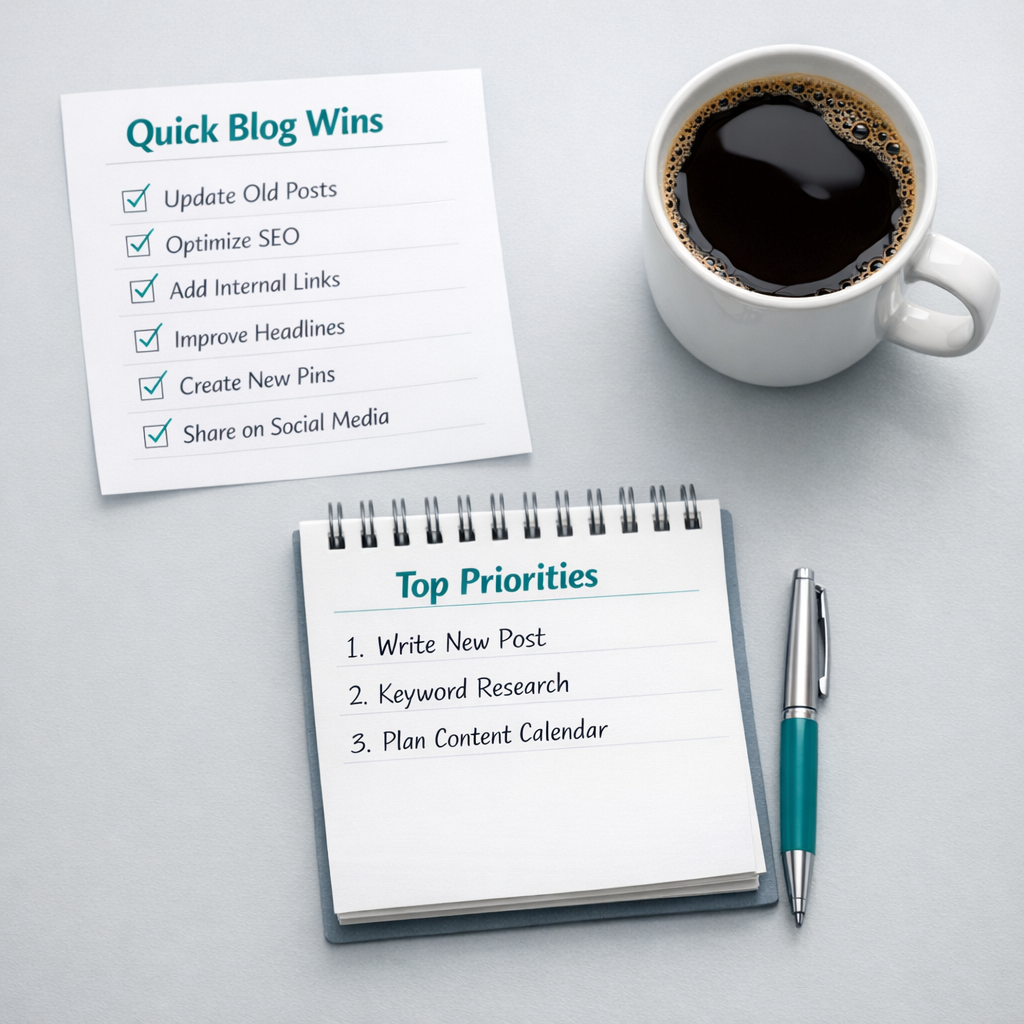
Why focus on blogging tactics with fast traffic upside
You don't always need brand-new, viral content to grow organic traffic. Small, tactical moves often unlock compounding gains. The goal here is speed plus sustainability, quick wins that feed a longer-term SEO machine.
These tactics work best when you prioritize low-effort, high-impact changes, and pair them with repeatable processes. That means a mix of content refreshes, internal linking, targeted keyword focus, and lightweight repurposing. If you want to automate parts of this, consider a publishing workflow that handles research, drafts, and scheduling automatically.
The 9 fast-win blogging tactics
1. Refresh top-performing old posts first
Pick pages already getting impressions but low clicks, or posts ranking on page two. Update headlines, add a short FAQ, refresh statistics, and tighten the intro. Small edits often move a page up into the top 5, where traffic jumps happen.
2. Add 1-2 internal links from high-traffic pages
Find two pages that already attract visitors and link to the target post using descriptive anchor text. That sends immediate referral traffic and helps search engines understand the topic cluster.
3. Target low-competition, high-intent long-tail phrases
Aim for specific queries that show clear purchase or research intent. These keywords are faster to rank for and tend to convert better. A focused paragraph answering that exact query can catapult a post into featured snippets and AI answers.
4. Use short, scannable upgrades in every post
Add a downloadable checklist, a one-paragraph summary, or a mini template. These keep visitors longer, increase engagement, and create email capture opportunities.
5. Publish a quick 'companion' post or listicle
Create a short, 600-900 word companion article that targets adjacent keywords and links back to your main post. This lightweight content helps capture broader search intent and funnels traffic to your conversion page.
6. Repurpose one post into three social micro-assets
Turn headings into LinkedIn posts, quotes into Instagram slides, and a short explainer into a 30-60 second video. A handful of micro-assets drive referral traffic and build backlinks when shared.
7. Optimize for AI and conversational search
Add concise answers to common questions in H2/H3 and include short, direct sentences that an AI model can extract. That increases the chance your content is surfaced by AI-driven search assistants.
8. Lightweight outreach to 5-10 relevant sites
Email a few industry blogs or newsletters with a friendly pitch: a short note, one-sentence value proposition, and a link. You only need a handful of mentions to see measurable referral traffic and improved domain signals.
9. Monitor and double down for one week
Track clicks, impressions, and time-on-page for a focused seven-day window after updates. Double down on tactics that moved metrics. Rapid iteration beats waiting months to judge performance.
Progressive content strategy for busy teams
Week 1: Audit and prioritize
- Identify 5 pages with highest immediate upside, using traffic and impression gaps.
- Pick two tactics per page: refresh + internal linking, or repurpose + outreach.
Week 2: Execute quick updates
- Implement headline and meta tweaks, add FAQs, and place two internal links.
- Create one companion post for each target.
Week 3: Distribute and amplify
- Publish micro-assets, run lightweight outreach, and share in 2-3 communities.
- Track metrics daily and adjust messaging.
Week 4+: Repeat and systemize
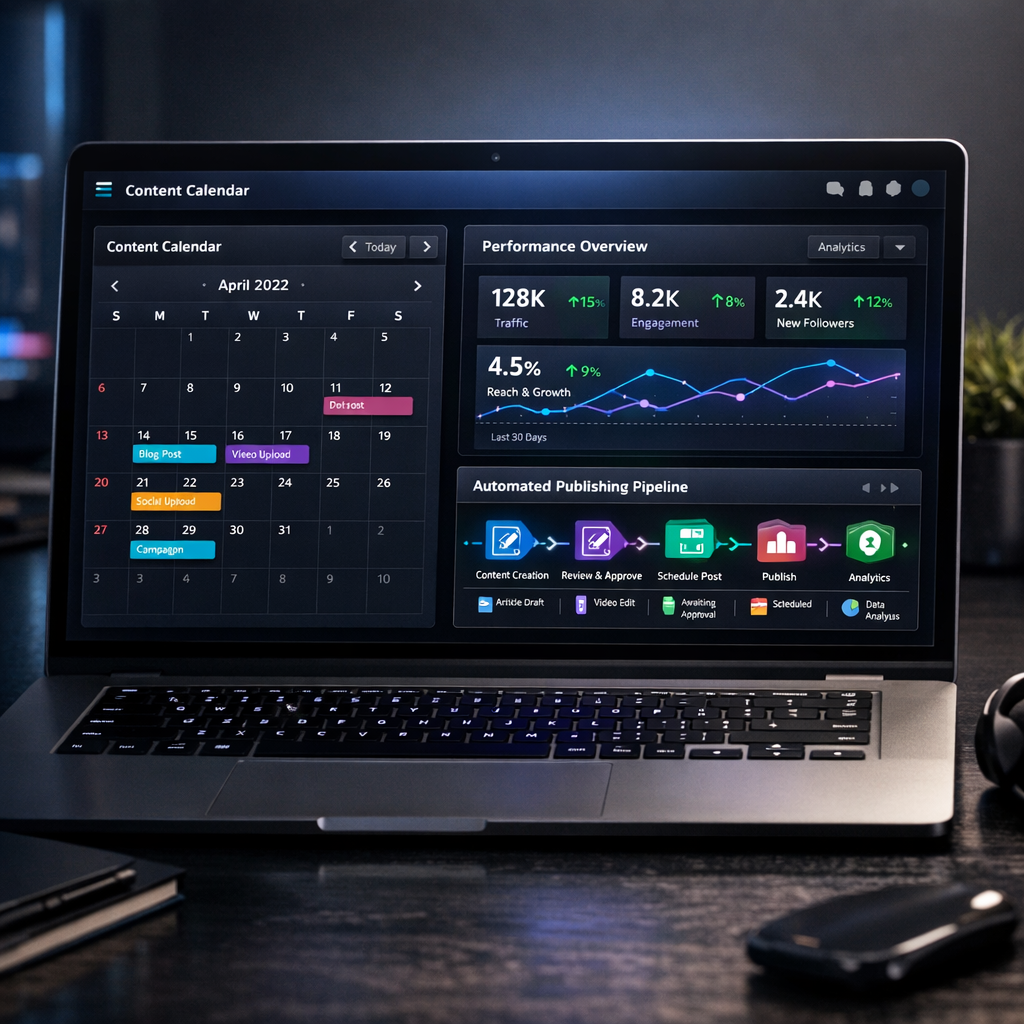
- Convert the routine into a checklist. Delegate or automate research, drafting, and scheduling. For automation and publishing help, explore an automated content workflow tool like ContentBeast at https://contentbeast.com and review plan options at https://contentbeast.com/pricing.
Addressing common objections
- "We need long posts to rank." Long form helps for some topics, but targeted short updates and focused long-tail answers win fast for under-optimized pages. Mix long and short strategically.
- "Outreach takes too long." Keep outreach to 5-10 high-fit targets and use a short, personalized note. Quality beats quantity for quick returns.
- "We don’t have time." Turn these steps into 30- to 90-minute sprints and automate repetitive tasks with simple templates.
Measurement and expected timelines
You should see measurable ranking and traffic changes in 7 to 30 days for low-competition long-tail targets and internal linking boosts. Larger domain-level gains compound over months as you repeat the cycle.
What to automate and what to keep human
Automate keyword discovery, scheduling, and republishing. Keep human review for voice, examples, and brand-specific insights. If you want to automate routine publishing with customizable voice and internal links, check the integrations page at https://contentbeast.com/integrations.
Questions you might still have
How often should I refresh old posts?
Aim for a lightweight refresh every 6 to 12 months for high-value posts, and immediate refreshes for pages with sudden traffic drops or rising impressions.
Which metric signals an update worked?
Look for uplift in clicks, improved average position, longer time-on-page, and increased conversions tied to the updated post.
Can small sites compete with big brands using these tactics?
Yes. Focus and specificity beat broad, noisy content. Small sites can own niche long-tail queries and convert better because of relevance.
What’s the simplest daily routine for one person?
Daily 30-minute blocks: 10 minutes to find a candidate page, 10 minutes to make a focused edit or add links, 10 minutes to create one social asset and schedule distribution.
How do I prioritize internal links?
Link from pages with steady traffic and relevance, use descriptive anchor text, and limit links per page so each one carries weight.
When should I hire external help?
Hire when you need consistent weekly output, lack time for iterative testing, or want to scale to daily blogging. Prioritize vendors who automate research and publishing.
Grow faster by working smarter, not harder
You don’t have to publish dozens of new posts to see meaningful traffic gains. Use these focused tactics, iterate weekly, and systemize the smallest effective changes. Quick wins compound into sustainable growth when repeated consistently.
Ready to put this into motion?
If you want a hands-off option that automates research, writing, and publishing while keeping you in control, explore automated blogging and publishing at https://contentbeast.com. Their pricing plans and integrations help teams move from one-off edits to a repeatable, traffic-generating engine.
Conclusion
Small, repeatable actions produce the fastest traffic upside for busy teams. Start with a targeted audit, refresh your best candidates, add intent-focused content, and amplify through lightweight distribution. Do this consistently, and you will see compounding gains without massive effort.