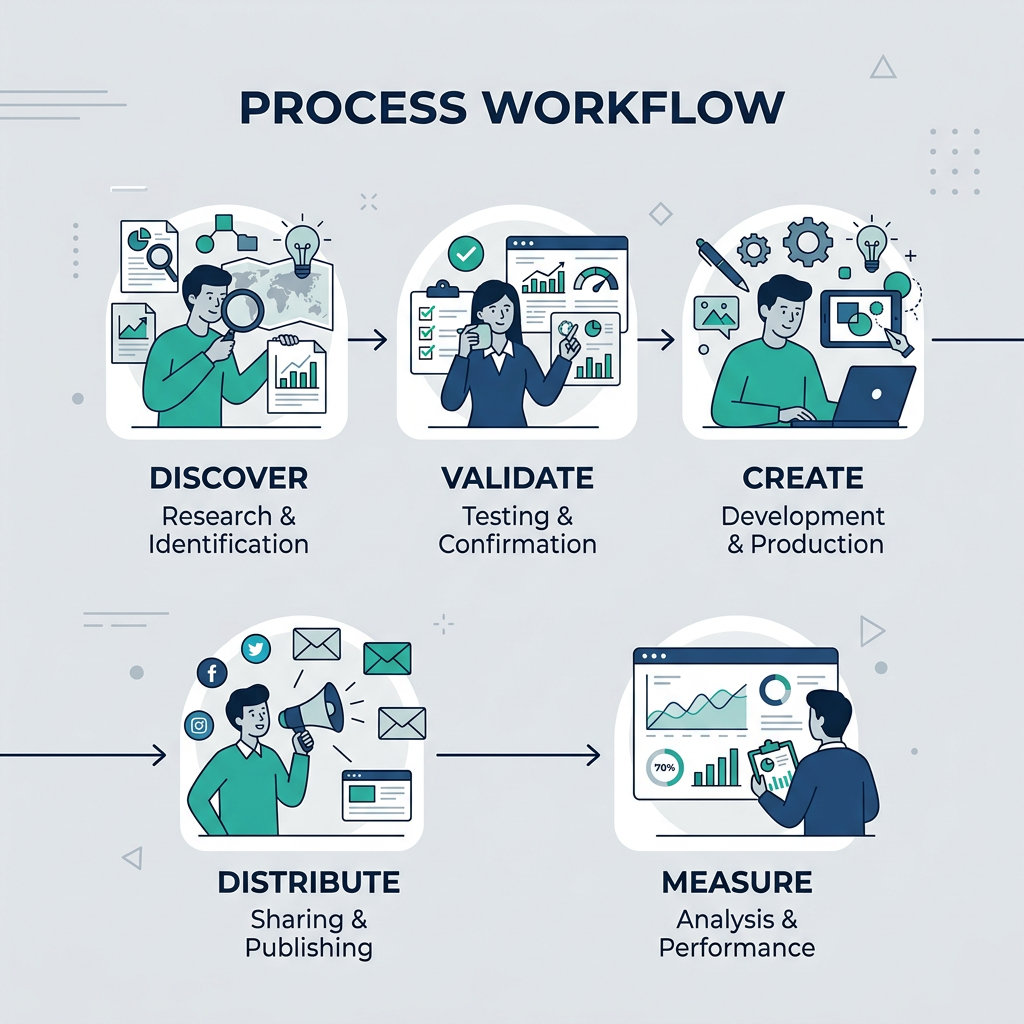

Low Competition Keywords for SaaS: Fast Wins for Organic Growth
Finding faster organic traction doesn’t have to mean competing with the biggest brands. If you want predictable blog traffic and qualified leads with minimal setup, focusing on low competition keywords for SaaS is one of the smartest, most efficient plays you can make. These are search queries where user intent is clear, competition is thin, and a well-targeted page or post can rank quickly.
Here’s a practical, step-by-step guide you can use today to find, prioritize, and win low competition keywords for SaaS, plus lightweight tactics that drive fast traffic without heavy content budgets.

Why low competition keywords matter for SaaS
You don’t need to rank for broad, high-volume phrases to get qualified visitors. Low competition keywords often represent specific user problems, niche features, or buying-stage questions. They convert better because intent is focused, and they’re faster to win because fewer authority sites target them.
Benefits you’ll see quickly:
- Faster ranking timelines, often in weeks instead of months
- Higher conversion rates from targeted intent
- Lower content production cost, because shorter, focused posts work
- Better opportunities for internal linking and topic clusters
How to find low competition keywords for SaaS (simple process)
1. Start with product real problems
Talk to sales or read support tickets. Note phrases customers use when they describe issues or feature needs. Those exact phrases are prime keyword seeds.
2. Use long-tail modifiers
Combine product terms with intent modifiers like "how to", "vs", "best for", "price", "integration with", and "troubleshoot". These often yield low competition queries.
3. Validate search intent manually
Search a candidate query and look at the first page results. If results are forums, product docs, or niche blogs, the keyword is likely winnable. If every result is an enterprise resource or a known brand, skip it.
4. Quick competitiveness checks
You don’t need paid tools to prioritize. Look for:
- Low number of results focused on the exact query
- Weak or thin content in top-ranking pages
- Lack of comprehensive or updated guides
These signals mean you can outrank with a helpful, better-structured post.
5. Prioritize by business value
Score keywords by intent: informational (top of funnel), investigational (mid), and transactional (bottom). Focus first on mid and bottom funnel low competition terms that map to your core features and buyer personas.
Content formats that win fast for low competition terms
Short, practical how-tos (600–900 words)
People who search niche SaaS problems want quick answers. A concise, scannable how-to with screenshots or short videos can outrank long, generic posts.
Comparison pages and migrations
Phrases like "X vs Y for [use case]" often have low competition and attract buyers comparing tools.
Troubleshooting and error-fix posts
Fix-it content ranks well because users have high intent. These can double as support content that you internal link to from product pages.
Templates, checklists, and plug-and-play examples
SaaS buyers love ready-to-use assets. These signal immediate value and are highly shareable.
Quick on-page checklist for fast ranking
- Use the exact low competition phrase in the title and at least once near the top, naturally. Bold it in opening when it reads well.
- Answer the query directly in the first 100–150 words.
- Use clear H2/H3 subheadings that match related queries.
- Add an example or screenshot to increase perceived value.
- Internal link from a relevant pillar page or product page to pass authority.
- Keep content concise and scannable, 600–1,200 words depending on topic depth.
Lightweight distribution tactics that amplify quick wins
- Syndicate to niche communities and forums where buyers congregate.
- Share short clips or screenshots on product social channels and in customer newsletters.
- Convert the article into a short checklist PDF gated for email capture.
- Repurpose key points into 2–3 LinkedIn posts to reach decision-makers.
Measuring success and iterating
Track three metrics for each target keyword:
- Ranking position over 4–12 weeks
- Organic clicks and impressions from Google Search Console
- On-page conversion actions (demo requests, signups, downloads)
If a targeted page shows traffic but low conversions, tweak the call-to-action and add clearer next-step links to product landing pages.
Low competition keywords for SaaS, examples and templates
Here are real idea templates you can adapt to your product. Replace [PRODUCT] and [FEATURE] with your terms:
- "how to integrate [PRODUCT] with [popular tool]"
- "[FEATURE] not syncing with [app], how to fix"
- "best [product type] for [industry or role] under $X/month"
- "export [data type] from [PRODUCT] to [format]"
- "alternatives to [big brand] for [specific use case]"
FAQs
How fast can I rank for low competition keywords for SaaS?
If the query truly has low competition and your page is helpful, you may see meaningful movement in 4–8 weeks. Faster results happen when you have internal links from higher-authority pages.
Should I target both informational and transactional low competition phrases?
Yes, prioritize mid and bottom-funnel phrases for faster ROI, but keep a steady stream of informational posts to feed the top of your funnel and support long-term authority.
How long should each post be for these keywords?
Aim for 600–1,200 words, focused and useful. Depth matters more than length—solve the user’s problem clearly and quickly.
Can I repurpose support articles into SEO posts?
Absolutely. Turn support answers and ticket threads into optimized articles, then link them from your knowledge base and product pages.
Do I need expensive tools to find these keywords?
No. Start with customer conversations, long-tail modifiers, and manual SERP checks. Free tools and browser keyword extensions can scale this later.
How do I avoid cannibalizing my own pages?
Map keywords to specific pages and assign a primary target for each query. Use canonical tags when necessary, and consolidate thin posts into a single definitive guide if overlap appears.
What’s a realistic timeline to see traffic impact?
Expect measurable traffic uplift in 6–12 weeks for well-targeted posts, with conversion improvements following shortly after.
Next steps you can implement in a day
- Pull 5 real support tickets or sales transcripts and extract exact customer wording. 2. Create 3 short how-to posts based on those phrases. 3. Add internal links from product or pillar pages. 4. Share each post in one niche forum or community.
Take action for faster organic growth
If you want a simple system that scales, combine a disciplined low-competition keyword pipeline with weekly content sprints and a lightweight repurposing workflow. This gives consistent wins without a large content team.
Ready to scale this approach?
If you want templates, content briefs, and a repeatable process, check out ContentBeast for practical tools and workflows that help teams publish better, faster. Visit https://ContentBeast.com to learn more and get started.
Conclusion
Targeting low competition keywords for SaaS is a high-leverage, low-cost strategy. You can capture qualified traffic faster by focusing on specific user problems, using concise content formats, and linking intelligently across your site. Start small, measure quickly, and scale the winners. With the right process, small wins compound into sustainable growth.