

Finding fast wins in SEO often means choosing battles where you can actually win. Many sites try to rank for broad, high-volume terms and get nowhere, while well-targeted smaller opportunities deliver steady traffic and conversions. A low competition keywords strategy gives smaller teams and early-stage founders a pragmatic path to consistent growth without expensive link building or massive content budgets.
This guide walks through a simple, repeatable process you can use today, plus content ideas, internal linking tactics, and distribution moves that squeeze the most value from each post. Follow this and you will have a predictable pipeline of pages that rank faster, attract the right visitors, and compound over time.
Why low competition keywords matter
Big keywords are tempting, but they are expensive and slow. Low competition keywords, often long-tail or niche phrases, let you:
- Rank faster, because fewer authoritative pages are competing.
- Target higher intent searchers who are closer to conversion.
- Build topical authority quickly, then expand into more competitive queries.
Here is the thing, you do not need huge traffic to win. Targeted small wins multiply when you repurpose, interlink, and promote consistently.
Low Competition Keywords Strategy: Quick Wins
Step 1, find niche intent with simple tools
Start with what you already own, the pages, questions, and customer conversations you have. Then use basic tools to expand ideas: answer-based queries, product micro-features, how-to problems, and case studies. Look for search phrases with low search volume but clear buyer or problem intent. Tools that surface related queries and question formats are your best friend.
Step 2, validate opportunity
Check SERP quality, not just volume. If the top 10 results are weak blog posts, forum threads, or outdated content, that query is beatable. Favor queries with:
- Thin content in top results.
- No strong brand-owned hub or comprehensive guide.
- Results dominated by listicles or generic explanations.
A quick manual SERP review for intent and content gaps will save you time building pages for impossible keywords.
Step 3, craft a high-value page
Create content that answers the question better than what exists. For low competition queries, focus on depth and clarity, not length alone. Use:
- Clear, benefit-driven headline and meta description.
- A short, scannable intro that sets expectations.
- Practical steps, templates, or examples your reader can use today.
- Visuals that clarify complex steps.
Include internal links to related posts so search engines see topical depth. For ideas on internal linking frameworks, check the ContentBeast blog for structured guides on building topic clusters: https://ContentBeast.com/blog/.
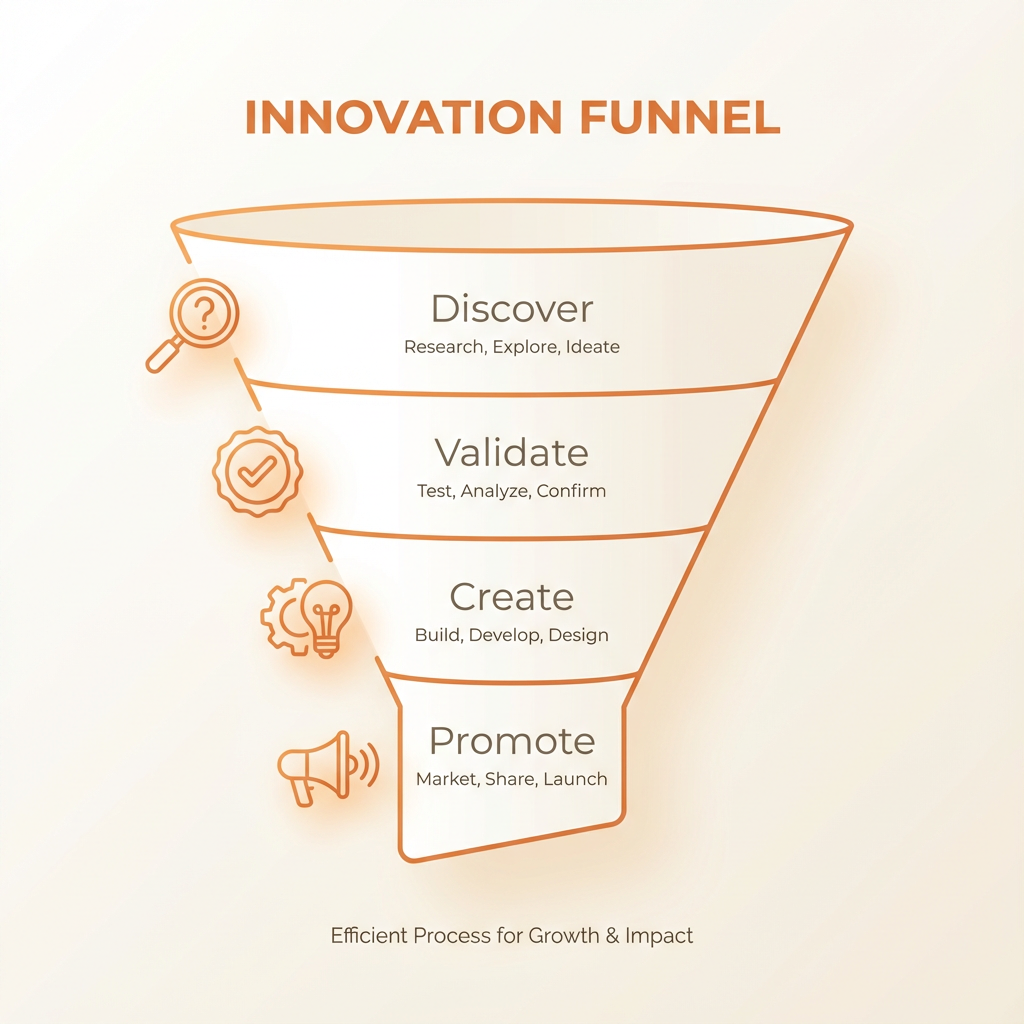
Step 4, promote with targeted amplification
A few targeted promotion tactics move the needle more than broad, shallow outreach:
- Share in niche communities and relevant subreddits.
- Send short outreach to a handful of sites that link to similar resources.
- Repurpose the page into a short video or carousel for social.
For repeatable amplification, build a distribution playbook and add a short outreach template to your content pipeline. If you want a tool-based approach to schedule and repurpose, review tools and resources at https://ContentBeast.com/tools/.
Step 5, measure, refresh, and scale
Track keyword positions, page traffic, and user engagement. After 4 to 8 weeks, refresh the content with new examples, updated screenshots, or a short video. Then clone the approach for similar niches to scale quickly.
Content and internal linking tactics that amplify low-competition pages
- Create a hub page on a related topic, link from the hub to your low-competition posts, and vice versa. This spreads authority and signals topical relevance. You can learn hub strategies in practical step-by-step guides on ContentBeast Guides: https://ContentBeast.com/guides/.
- Use descriptive anchor text, not brand names, when linking between your pages.
- Repurpose long-tail posts into FAQ blocks or micro-guides on product pages to capture complementary intent.
Distribution strategies that cost little time
- Syndicate snippets as micro-posts on LinkedIn or industry forums.
- Turn one post into a 60-second video and publish to social with a link back.
- Schedule a small outreach push to 5-10 highly relevant sites, not mass emails.
These lightweight, consistent activities compound, especially when each page earns a few targeted links or mentions.
FAQ
What exactly counts as a low competition keyword?
A low competition keyword is a search phrase with fewer high-authority pages targeting it, often long-tail and specific. It has lower search volume but usually clearer intent, and it is easier for smaller sites to rank for quickly.
How many low competition pages should I publish each month?
Start with a manageable rhythm, like 4 focused pages per month, then measure results. Consistent publishing wins over sporadic bursts, because you build topical depth and internal linking faster.
Can low competition keywords scale into bigger wins?
Yes, once you build authority and a cluster of related posts, you can consolidate into cornerstone content and target more competitive, higher-volume terms.
How long until I see results?
Expect to see movement in 4 to 12 weeks for low competition queries, faster if promotion and internal linking are strong. Results vary by niche and SERP dynamics.
What tools should I use for research?
Start with free or low-cost tools for related queries and question mining, then validate with SERP analysis. For advanced keyword insights, established industry blogs and keyword research guides provide useful tactics, for example Google Search Central and resources from Ahrefs and Moz.
Should I optimize for Google and AI search at the same time?
Yes, optimize for clear user intent, structured content, and useful summaries. AI-driven search favors concise, factual answers and high-quality supporting content, so focus on clarity and structured sections.

Objections and how to handle them
You may worry that low-volume traffic is not worth the effort. Counter that by tracking conversion metrics, not just visits. Niche queries often convert better because the intent is specific. Also, small wins create reusable assets for larger campaigns later.
Another concern is sustainability. Make refreshs part of your content calendar, and use templates to speed production. This keeps quality high while lowering ongoing costs.
Growth playbook snapshot for the first 90 days
- Days 1 to 14, research 10 niche queries and pick 4 to build.
- Days 15 to 45, publish those 4 pages, each with a linked hub and two internal links to existing content.
- Days 46 to 90, promote, measure, refresh at least one page, and repeat the cycle using what worked.
Ready to scale predictable organic growth?
If you want a faster path from idea to published asset with internal linking and repurposing built-in, explore hands-on tools and step-by-step playbooks at ContentBeast, where you can automate parts of the pipeline and maintain consistent publishing without hiring a big team. Visit https://ContentBeast.com to learn how to scale your content production the smart way.
Conclusion
A smart low competition keywords strategy gives you leverage, speed, and clarity. You do not need to be a major brand to win search traffic. Focus on intent-led research, concise high-value content, targeted promotion, and internal linking. Do this repeatedly, and your site will gain momentum, authority, and better-qualified visitors over time. Small wins compounds into meaningful growth, fast.