
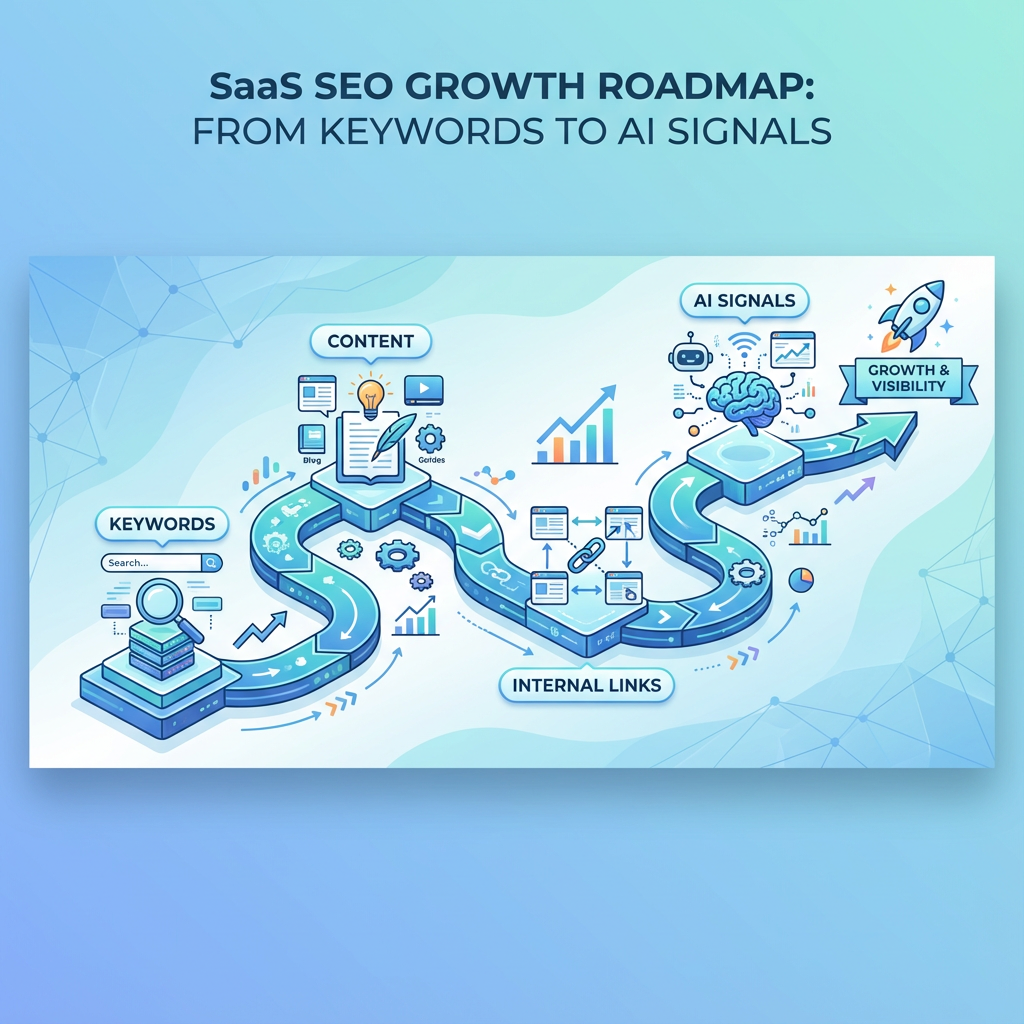
If you run a SaaS company or manage content for one, you want real traffic gains without months of waiting. In this guide I’ll show practical, low-friction moves you can start today that combine technical fixes, content plays, and simple AI workflows. These tactics form a SaaS SEO strategy that favors speed, repeatability, and measurable uplift.

Why a focused SaaS SEO strategy wins faster
Here’s the thing, SaaS buyers search differently. They look for niche comparisons, integrations, use cases, and quick how-tos. A narrow, repeatable SEO plan that targets low-competition buyer-intent phrases and optimizes existing content often beats one-off long-form efforts. The goal: quick-win visibility plus compounding blog assets that rank and convert.
Core pillars of a fast SaaS SEO playbook
1) Low-competition keyword harvesting
- Prioritize long-tail, intent-driven queries like "best onboarding tool for X" or "how to reduce churn in Y industry."
- Validate search intent, then estimate effort: if top results are forum posts or weak product pages, you have an opportunity.
- Timeline: 2–8 weeks to test 10–20 targets.
2) Quick-win content templates
- Use repeatable templates: comparison posts, troubleshooting guides, integration tutorials, and short case studies. These are efficient to produce and scalable.
- Each template should include a problem, step-by-step solution, and product mention or demo link.
- Example: a 900–1,200 word integration how-to that targets "tool X + tool Y integration" can rank fast when competition is shallow.
3) Content refreshes before new posts
- Audit older posts that already get impressions. Improve headline, add updated screenshots, and expand with a 300–500 word FAQ to capture featured snippet opportunities.
- Focus on pages within the top 30 where small edits often lift them into the top 10.
- Result: measurable traffic increases without creating new content.
4) Internal linking for immediate impact
- Add contextual links from high-traffic pages to newer or conversion-focused posts. Use descriptive anchor text that mirrors target keywords.
- Implement a short internal linking audit monthly and fix orphan pages.
- Example anchor: link "integration guide for CRM sync" from a popular onboarding article to your CRM integration page.
5) Lightweight technical SEO checks
- Ensure key pages have correct title tags, H1s, and meta descriptions optimized for intent.
- Fix crawl blockers, canonical tags, and mobile issues; these are often quick wins and reduce ranking friction.
6) Simple AI automations that save time
- Use AI to generate first drafts of templates, produce meta descriptions at scale, and propose internal link suggestions.
- Set up a workflow where AI drafts are always human-edited for accuracy and tone.
- Example automation: generate 10 meta descriptions per week and A/B test open rates in search console.
7) Mention and visibility opportunities
- Get product mentions in niche roundups, integration directories, and partner blogs. These often require outreach but can yield fast referral traffic.
- Use PR-style pitches for new features, and include a short demo clip to increase link acceptance.
Quick implementation checklist (first 30 days)
- Identify 10 low-competition, high-intent long-tail keywords.
- Refresh 5 existing pages with new intros, FAQs, and internal links.
- Publish 2 template-based how-to posts with screenshots and CTAs.
- Run a 1-hour technical SEO sweep: mobile, titles, canonical tags.
- Set one AI automation for meta descriptions and one for internal link suggestions.
Case studies and examples
- Small SaaS A: Focused on "onboarding automation for X industry," refreshed 6 posts, added targeted internal links, saw 28% organic traffic lift in 8 weeks.
- Mid-market SaaS B: Implemented AI-assisted meta descriptions and 12 conversion-focused blog posts; improved CTR and moved 4 pages into top 5 for buyer-intent queries.
(These examples summarize common wins we’ve seen in product-led growth teams; adapt timelines to your domain authority.)
Distribution and repurposing that amplify results
- Turn a high-performing how-to into a short video, LinkedIn carousel, and an email snippet to multiply reach.
- Repost key insights into niche communities and partner newsletters for mentions and backlinks.
- Small syndication boosts from partner blogs can speed up indexing and early ranking signals.
Measurement: what to track first
- Impressions and clicks for target keywords.
- Rankings for your low-competition targets and overall organic sessions.
- Conversion events from blog to trial signups or demo requests.
- Time to value: measure how many changes produced movement within 30, 60, and 90 days.
Frequently asked questions
How long does a fast SaaS SEO strategy take to show results?
Most quick wins appear within 30–90 days for low-competition targets. More competitive keywords take 3–6 months.
Should I prioritize new content or refreshing old posts?
Start with refreshes. They’re faster to execute and often lift pages already getting impressions. Parallelize new template posts for scale.
How many internal links should I add each month?
Aim for 10–25 high-quality contextual links monthly, focusing on pages with conversion potential and ones you want to rank.
Can AI replace my writers?
No, but AI can speed drafting and ideation. Always human-edit for accuracy, voice, and domain nuance.
What’s the easiest technical fix with biggest upside?
Fixing mobile usability issues and optimizing title tags/meta descriptions often yields immediate CTR and ranking improvements.
Objections and practical answers
- "We don’t have time for SEO" — Start with a single template and one refresh weekly. Small, consistent changes compound.
- "We’re too niche to rank" — Niche specificity can help. Target long-tail intent and integration queries where competition is low.
Grow faster with focused execution
This plan prioritizes actions you can measure and repeat. The secret is consistency and using lightweight automations to scale output without ballooning cost.
Ready to scale your SaaS SEO results?
If you want a shortcut to consistent blogging, automated SEO tasks, and faster indexing, check how ContentBeast helps teams publish faster and smarter. Explore a hands-off workflow and templates at https://ContentBeast.com.
Conclusion
A practical SaaS SEO strategy does not require huge budgets or endless content. By focusing on low-competition intent, refreshing existing assets, tightening internal linking, and using simple AI automations, you can capture faster wins that compound into sustained growth. Start small, measure, and iterate — results will follow.