

Good SEO does not need to be slow or painfully technical. Whether you run a bootstrap SaaS, manage a small marketing team, or consult for product-led growth companies, there are practical, low-effort moves that deliver measurable traffic and lead improvements fast. In this article you will get an actionable playbook of quick wins and lightweight processes that scale, plus ideas for using simple AI tools to amplify reach.
Begin with the right mindset: focus on high-impact, low-effort changes you can measure in weeks, not months. Below I bold one core phrase to center the approach, saas seo strategy, and then break the plan into clear steps you can apply in the next 7 to 30 days.
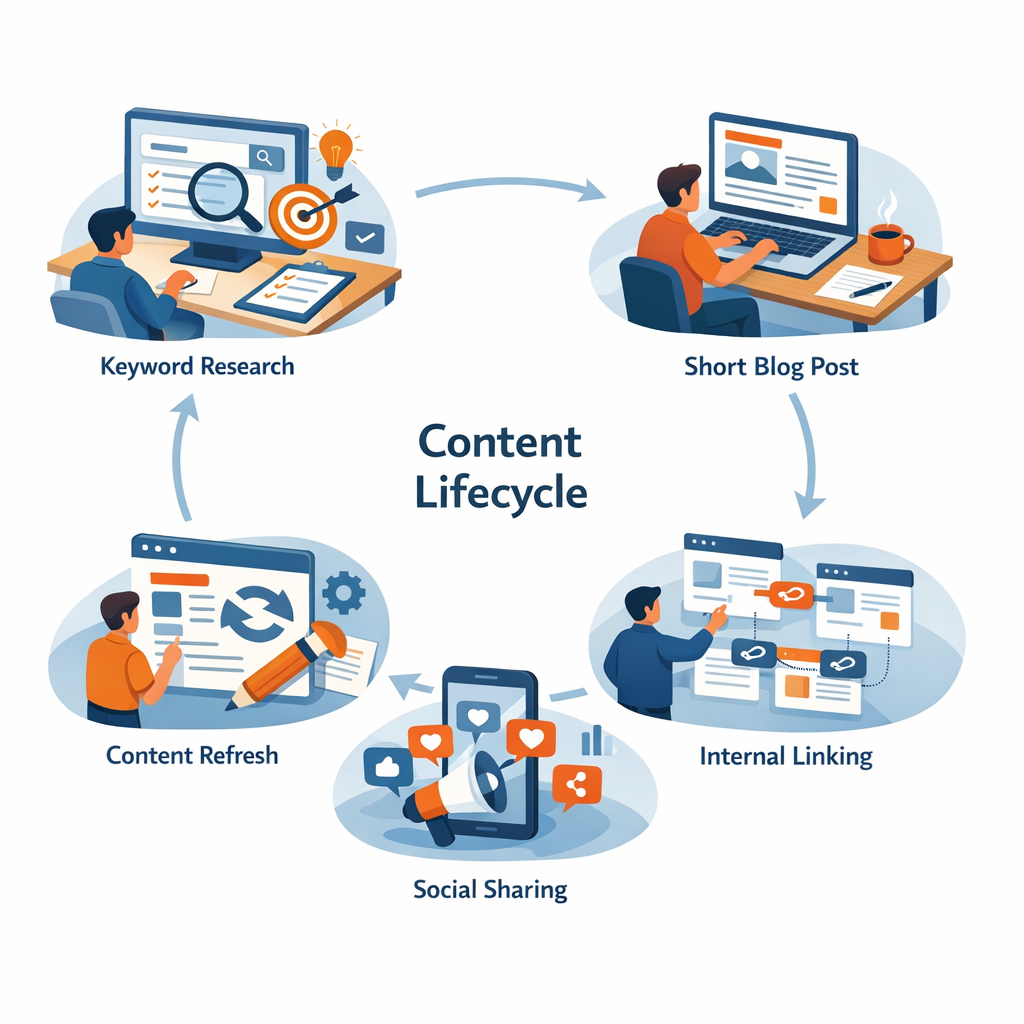
SaaS SEO Strategy Quick Wins
1) Target low-competition, high-intent keywords
Start with keywords that match real buyer intent but have lower competition. Think feature + benefit or pain + solution phrases. Use search volume thresholds that make sense for your size, and prioritize terms you can rank for within 8 to 16 weeks.
Tactics:
- Create 1-2 focused landing pages or short blog posts for each chosen keyword. Keep content concise and direct, 700 to 1,200 words, answering the visitor's question quickly.
- Add customer-facing language, screenshots, and short examples to improve conversions.
2) Quick content refreshes that lift rankings
You do not always need new posts. Updating titles, intros, schema snippets, and internal links often boosts rankings quickly.
Checklist for refresh:
- Improve the title tag and meta description for click appeal.
- Add one new paragraph that answers a recent question users ask via chat, support, or demos.
- Insert an internal link from a high-traffic page to the refreshed content.
3) Lightweight internal linking with immediate impact
A deliberate internal linking map helps search engines and users find the best pages fast.
Easy approach:
- Identify 5 pillar pages, then add 2-3 contextual links from recent posts to each pillar.
- Use descriptive anchor text that includes phrases users search for, not just brand names.
4) Blogging tactics for faster traffic upside
Use a blend of short tutorials, comparative posts, and real customer stories.
Post formats that work quickly:
- How-to guides (3-7 steps with screenshots)
- Product comparisons (feature-focused, honest pros and cons)
- Short case studies with metrics and a clear outcome
5) Simple AI visibility and mention opportunities
AI can surface content gaps and outreach targets fast. Use small automations to spot brand mention chances and answer trending questions.
Practical ideas:
- Automate daily or weekly alerts for brand and product mentions, then ask for an attribution link when appropriate.
- Use AI to draft concise, value-first outreach messages to get fast backlinks and quotes.
6) Efficient content repurposing workflows
Turn one strong blog post into multiple assets: a short video, a checklist, a LinkedIn carousel, and a newsletter snippet. This increases distribution without heavy new writing.
Suggested workflow:
- Extract 5 key points, create a 60-90 second video or voiceover, and publish on your socials.
- Convert the same points into a downloadable checklist to capture leads.
Technical and UX Wins That Take Little Time
Improve page speed for key landing pages
You do not need a full engineering sprint. Image compression, simple caching tweaks, and removing unused scripts often yield big improvements.
Add clear conversion paths
Make your CTAs relevant to the content and use short forms or demo scheduling links. Track form submissions so you can measure lift from SEO changes.
Prioritization Matrix: Where to Spend Your Time
- Week 1: Low-competition keywords, one content refresh, two internal links.
- Weeks 2-4: Publish 2 short posts, repurpose top post into social content, set up simple mention alerts.
- Month 2+: Audit top 20 pages, scale internal linking, and automate outreach for backlinks.
Measuring Success Quickly
Track organic sessions, impressions for targeted keywords, and leads from SEO landing pages. Expect early wins in click-through rates and impressions within 2-6 weeks for prioritized pages.
Objections and How to Handle Them
- "We already tried blogging and it failed." Try targeted short posts that solve buyer problems, not generic content. Measure by leads and user behavior, not just sessions.
- "We don’t have writers." Use lightweight templates, AI-first drafts, and one editor to polish to publishable quality.
Frequently Asked Questions
How long until a SaaS SEO strategy shows results?
Small, focused changes can show ranking and traffic improvements in 4 to 12 weeks for low-competition keywords. Bigger keyword targets may take longer.
Can I use AI to write my SaaS content?
Yes, AI is useful for drafting and ideation. Always edit for accuracy, brand voice, and to add original examples or product-specific screenshots.
What’s the simplest internal linking tactic for small teams?
Start by linking every new post to one pillar page and adding a related-posts section with 2 to 3 contextual links.
How often should I refresh existing content?
Aim to review and refresh your most visited 20% of pages every 3 to 6 months.
Are backlinks essential for SaaS SEO success?
Backlinks help, but relevant internal linking, on-page relevance, and user experience often produce faster wins for niche terms.
Should I prioritize blog or docs content for SEO?
Both matter. Blog posts capture discovery traffic, while docs and knowledge base content capture high-intent users. Use internal links between them.
What KPIs should a small SaaS track for SEO?
Organic traffic for target pages, impressions and CTR for target keywords, and leads or trials coming from organic landing pages.
Quick Action Plan for the Next 30 Days
- Pick 5 low-competition keywords and create targeted 700-1,000 word pages.
- Refresh titles/meta for 3 underperforming posts and add internal links to pillars.
- Implement a repurpose workflow to turn each new post into 2 social assets.
- Set up simple AI alerts for brand mentions and quick outreach templates.
Ready to Scale Your Content Without Heavy Overhead
If you want a fast, repeatable system that takes your content from draft to traffic in days, not months, try building a weekly checklist and an automated repurposing pipeline. Small teams win when they move consistently and measure tightly.
Grow Faster with ContentBeast
Want help turning these tactics into an easy, repeatable system? Visit https://ContentBeast.com to see templates, workflows, and tools that help teams publish daily, repurpose automatically, and get measurable traffic growth with minimal setup.
Conclusion
A smart SaaS SEO strategy is about focus and speed. By targeting low-competition keywords, refreshing existing content, tightening internal linking, and using lightweight AI automations, you can win noticeable traffic and leads in weeks. Start small, measure often, and scale what works. Keep the process simple, and build momentum with repeatable routines.