

Anyone can learn how to rank on Google without becoming a developer. The trick is not to chase complicated SEO tactics, it is to focus on the parts of search that actually move the needle: clear topics, useful content, strong intent matching, and consistent publishing.
If you have a small team, limited time, or zero technical background, you are not behind. You just need a simpler system. In this guide, you will learn a practical way to build visibility, grow traffic, and publish content that can rank without touching code.
How to Rank on Google Without Technical Skills
You do not need to be technical to do well in search. In fact, many websites lose rankings because they overcomplicate SEO and ignore the basics that matter most to readers and search engines.
The good news is that the simplest path is often the most effective. If you can understand your audience, choose the right keywords, and publish genuinely helpful content, you already have most of what you need.
Start with search intent, not tools
Before you write anything, figure out what the searcher actually wants. Are they looking for a definition, a step-by-step guide, a comparison, or a checklist? When your content matches the intent behind the search, it has a much better chance of ranking.
For example, if someone searches for “how to rank on Google without technical skills,” they are probably not looking for coding advice. They want a simple process they can follow today.
Pick low-competition keywords with clear value
You do not need huge search volume to win. In many cases, long-tail keywords bring better traffic because they are more specific and easier to rank for.
Look for phrases like:
- how to rank on google without technical skills
- easy SEO tips for beginners
- how to get blog traffic fast
- SEO for small business owners
- simple content strategy for beginners
These topics are easier to target because they match real questions people ask. They also give you a better chance of earning traffic from readers who are already interested in your solution.
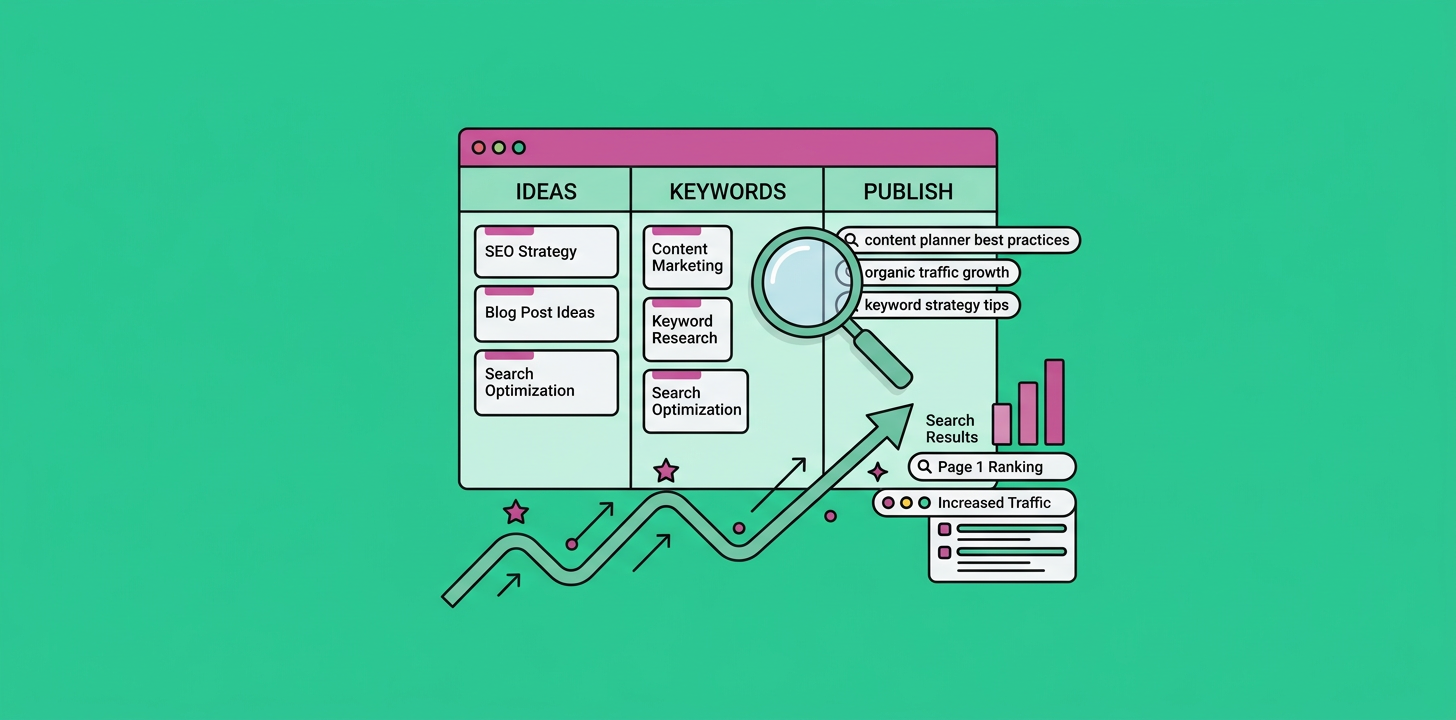
Create content that answers one question well
One of the biggest mistakes people make is trying to write one giant page that covers everything. That usually creates weak, scattered content.
Instead, write one page that solves one problem really well. A focused article is easier to read, easier to trust, and easier for Google to understand.
Use simple structure every time
A strong post usually includes:
- a clear headline
- an opening that explains the outcome
- short sections with descriptive subheadings
- examples that make the advice concrete
- a conclusion that tells the reader what to do next
This is not fancy, but it works. Clear structure helps readers stay engaged, and engagement supports better performance over time.
Write like a helpful expert
You do not have to sound academic or overly polished. In fact, conversational writing often performs better because it feels easier to consume.
Keep your sentences short enough to scan. Explain terms in plain English. If a concept is complicated, break it into smaller steps.
Focus on on-page SEO basics
You can improve a page without touching code by optimizing the visible parts of the content. These are the parts you can control right away.
Put the keyword in the right places
Use your main keyword naturally in:
- the title
- the first paragraph
- one or two subheadings
- the body copy a few times where it fits naturally
Do not force it. Search engines are smart enough to understand related terms, so write for humans first.
Improve readability
Readable content keeps people on the page longer, and that matters. Use short paragraphs, bullets, and clear headings so the page feels easy to skim.
If a visitor can quickly find the answer, they are more likely to stay, share, or come back later. That kind of satisfaction signal is valuable.
Add internal links where they help
Internal links help search engines understand your site structure and help readers keep exploring. Link related pages naturally when they support the topic.
If you run a blog, this can be as simple as linking from a beginner guide to a more detailed post, or from a product page to a use case article.
Build authority without complicated SEO
A lot of people think authority comes from technical tricks. It usually does not. It comes from consistency, clarity, and usefulness.
Publish around a topic cluster
Pick a main topic and support it with multiple related posts. For example, if your business focuses on content marketing, you might publish guides on keyword research, blog planning, content repurposing, and SEO basics.
This helps you look more relevant to search engines and gives readers a clear reason to trust your site.
Show experience and specificity
Generic advice is everywhere. Specific advice stands out.
Instead of saying “write quality content,” explain what quality means:
- answer the question directly
- use examples
- include steps
- remove fluff
- make the next action obvious
That kind of detail is what separates forgettable content from pages that can rank and convert.
Use automation to stay consistent
If you are busy, consistency is usually the hardest part. That is where automation becomes useful.
You can automate parts of your workflow, like content planning, publishing schedules, idea generation, and distribution. The goal is not to remove strategy, it is to remove the repetitive work that slows you down.
For teams that need to publish regularly, this matters a lot. A simple system makes it easier to keep posting, keep improving, and keep building momentum.
What to avoid if you are not technical
Some SEO advice sounds impressive but does not help most small teams.
Avoid chasing advanced tactics too early
You do not need to start with schema experiments, custom scripts, or complicated site architecture if you are still struggling to publish consistently. Those things can matter later, but they are not the first lever to pull.
Avoid thin content
Thin content is a page that exists mostly to target a keyword, not to help a reader. These pages rarely build trust and often fail to perform.
A better approach is to make every post useful enough that someone would be glad they found it.
Avoid writing for algorithms only
If you try to please search engines before people, your content usually becomes awkward and forgettable. The best pages are written for readers, then optimized for discovery.
A simple non-technical SEO workflow
If you want a repeatable process, use this:
- Choose one question your audience is asking.
- Find a long-tail keyword around that question.
- Write a focused article that answers it clearly.
- Add simple internal links.
- Publish consistently.
- Review what brings traffic and make it better.
That is enough to start.
A realistic example
Let’s say you own a small business and want more organic traffic. You could publish a guide on “how to rank on Google without technical skills,” then create supporting posts on keyword research, blog topics, and SEO for beginners.
Over time, those pages reinforce each other. That is how a simple content system starts to build real search visibility.
How ContentBeast fits in
If you want a faster way to keep content moving, ContentBeast helps teams create consistent blog content without the usual manual grind. That is especially useful for small businesses, SaaS teams, e-commerce brands, and agencies that want growth without adding more complexity.
The point is not to make SEO harder. The point is to make it easier to publish helpful content at scale, so you can focus on growth instead of getting stuck in the weeds.
FAQ
Can I rank on Google without knowing code?
Yes. Many pages rank based on relevance, usefulness, and consistency rather than technical skill. If your content answers the search query better than competing pages, you can absolutely compete.
What is the easiest SEO win for beginners?
Start with a specific keyword and write one strong page that fully answers the question. Clear intent matching is one of the fastest ways to improve your odds.
Do I need backlinks to rank?
Backlinks can help, but they are not the only factor. Strong content, good targeting, and a sensible site structure can still produce results, especially for less competitive topics.
How often should I publish?
Consistency matters more than volume. A steady publishing rhythm, even if it is modest, usually beats posting in bursts and then going silent.
What if my website is not optimized technically?
Start with what you can control, content quality, keyword targeting, readability, and internal links. You can improve technical issues later, but you do not need to wait for perfection.
How long does it take to rank?
It depends on the topic, competition, and quality of the page. Some posts start getting traction quickly, while others take longer to gain visibility.
Grow Faster Without the Guesswork
If you want to build traffic without overthinking SEO, focus on the basics and keep publishing. The sites that win are usually the ones that stay consistent, stay useful, and keep improving.
Visit ContentBeast to simplify your content workflow, publish more consistently, and grow your visibility without needing technical skills.
Final Thoughts
You do not need to be an SEO expert or a developer to rank. You need a clear topic, a useful answer, and a repeatable process you can actually maintain.
If you stay focused on simple execution, you can build momentum faster than you think. That is the real advantage of a non-technical content strategy, it is practical, scalable, and built to last.