How do you get blog traffic with no experience? Start with simple topics people are already searching for, publish consistently, and make every post easy for search engines and readers to understand. You do not need years of experience to get noticed, you need a repeatable system that focuses on clarity, usefulness, and momentum.
The good news is that blog traffic is not reserved for big brands or seasoned writers. If you can solve a real problem, answer a question clearly, and keep showing up, you can build an audience from zero. The trick is knowing what to do first, so you do not waste months writing posts nobody finds.
Start with Search Intent, Not Inspiration
If you want traffic fast, stop asking, “What sounds interesting?” and start asking, “What are people already trying to solve?” That single shift can change everything.
Search intent is the reason behind a search. When someone types a question into Google, they want a specific answer, comparison, tutorial, or recommendation. Your job is to match that intent exactly.
Find beginner-friendly keywords
Look for phrases like:
- how to
- what is
- best way to
- beginner guide
- difference between
- step by step
These are easier to target than broad competitive terms. They also attract readers who are actively looking for help, which makes them more likely to click, stay, and come back.
Use free tools to validate ideas
You do not need fancy software to start. Use Google autocomplete, related searches, People Also Ask, and basic keyword research tools to see what real people are searching.
If a topic shows clear demand and the current results are weak, that is a strong sign you can compete.
Build Your First Posts Around Low-Competition Topics
When you are new, going after massive keywords is like trying to win a race before you can walk. Start with smaller, more specific topics that a beginner can rank for.
For example, instead of targeting “email marketing,” try:
- how to write a welcome email for new subscribers
- best email subject lines for a small business
- email marketing tips for Etsy sellers
These long-tail topics are easier to rank for and usually convert better because they are highly specific.
Write Posts That Answer One Clear Question
A common beginner mistake is trying to say too much in one article. That usually creates clutter, weak SEO, and confused readers.
Instead, each post should answer one main question well. A focused article is easier to write, easier to optimize, and easier for Google to understand.
Use a simple structure
A strong blog post for beginners can follow this format:
- state the problem
- give the direct answer first
- explain the steps
- add examples
- end with a next step
This keeps readers moving and reduces bounce. It also makes your content more helpful, which matters a lot when you are building trust from scratch.
Make the opening do the heavy lifting
Your first paragraph should tell the reader they are in the right place. Say what the post covers, who it helps, and what they will learn.
That kind of clarity improves engagement and helps readers keep going instead of leaving after a few seconds.
Publish Consistently, Even If the Content Is Simple
Consistency beats perfection when you are starting out. One useful article every week is far better than ten half-finished drafts sitting in a folder.
You do not need to publish daily to get results, but you do need a rhythm. Search engines and readers both like sites that stay active.
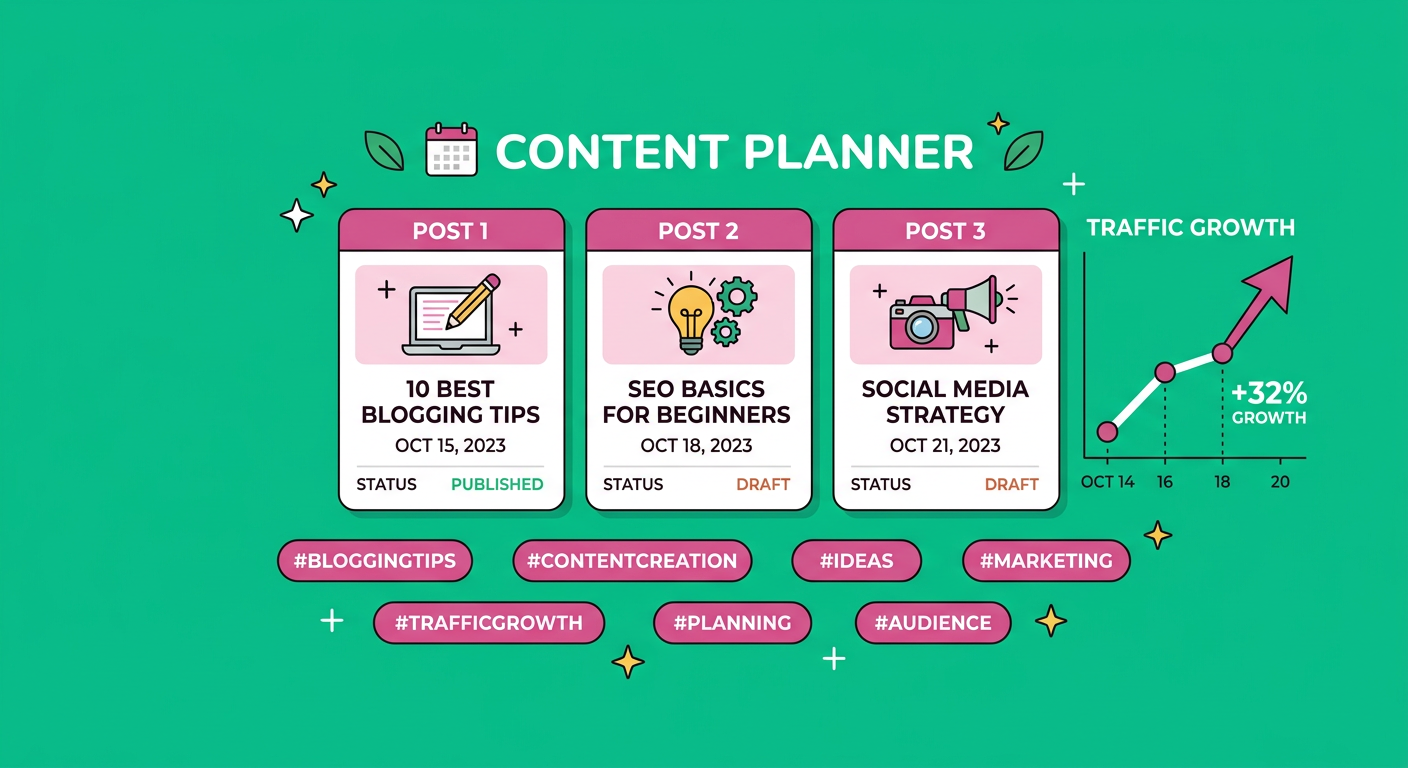
Create a realistic publishing schedule
Choose a pace you can maintain for 90 days. That might be:
- 1 post per week
- 2 posts per month
- 3 posts per week if you have support or automation
The exact number matters less than whether you can stick to it.
Batch your work to save time
If you have no experience, the hardest part is usually not writing, it is starting. Batch your process like this:
- research topics
- outline multiple posts
- draft in one session
- edit in another session
- publish and promote
This reduces overwhelm and helps you move faster with less mental friction.
Optimize Every Post for Google Basics
You do not need advanced SEO to get traffic. You need the fundamentals done well.
That means using the main keyword naturally, writing a strong title, adding clear headings, and making the post easy to scan.
Focus on these SEO basics
- one main keyword per post
- one clear H1 title
- logical H2 and H3 headings
- short paragraphs
- internal links to related posts
- descriptive meta title and description
These simple habits help search engines understand your content and make it easier for readers to stay engaged.
Add helpful internal links
If you already have related articles, connect them. Internal links help visitors discover more of your content and help search engines understand your site structure.
As your blog grows, this becomes one of the easiest ways to build authority.
Use AI and Automation to Speed Up the Process
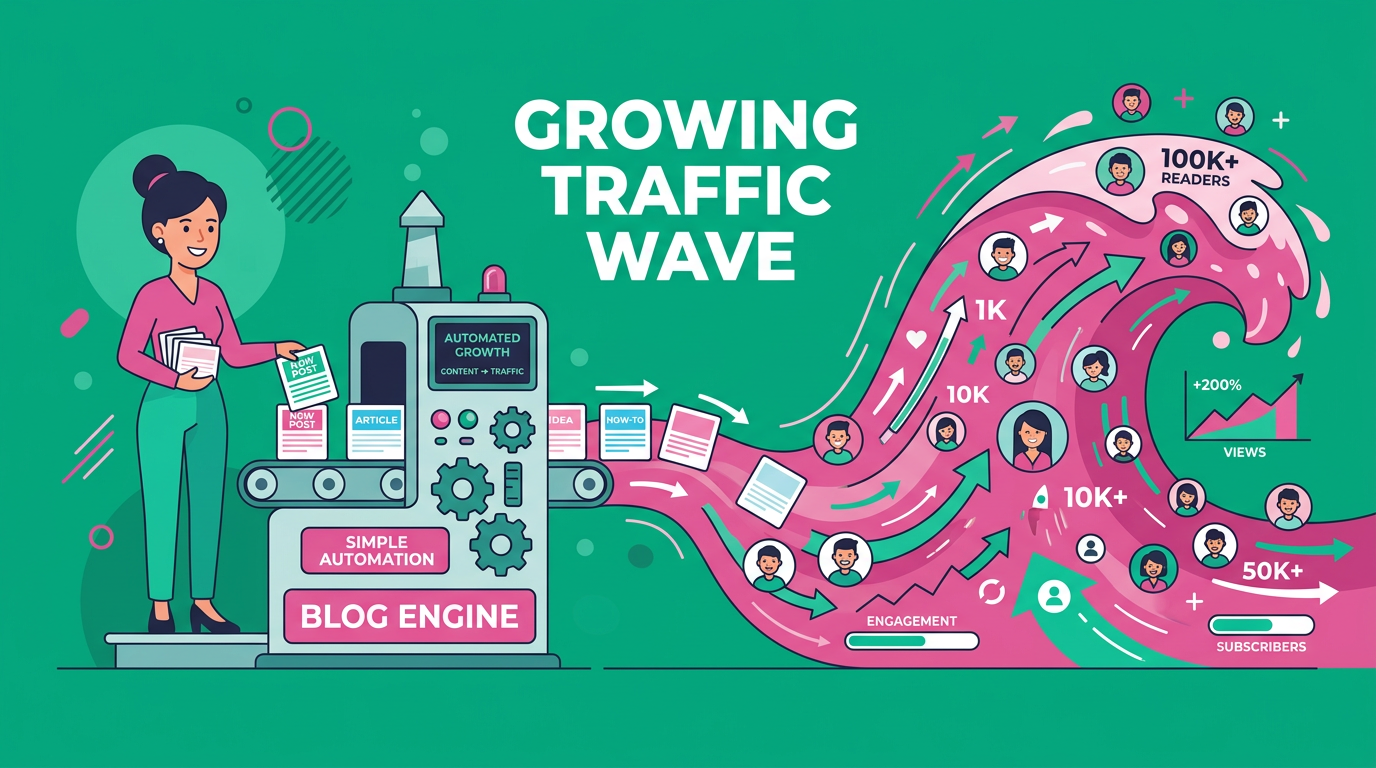
If you have no experience, time is usually the biggest barrier. That is where automation becomes a serious advantage.
You can use AI tools to brainstorm topics, outline posts, improve clarity, and repurpose content faster. The goal is not to replace your voice, it is to remove the busywork that slows you down.
Where automation helps most
- keyword research support
- content outlines
- draft generation
- title ideas
- repurposing posts for social media
- scheduling and publishing workflows
For busy teams, this can turn blogging from an occasional task into a repeatable growth channel.
Keep the human layer
Even with automation, your content should still feel useful and specific. Add your examples, your customer language, and your insights. That is what makes content trustworthy and memorable.
Promote Your Posts Outside Your Blog
A great article with no promotion can still sit there doing nothing. If you want early traffic, you need to share it in places where your audience already spends time.
Easy promotion channels for beginners
- LinkedIn posts
- Facebook groups
- Pinterest pins
- relevant Slack or community groups
- email newsletters
- short clips or summaries for social media
You do not need to be everywhere. Pick two or three channels and use them consistently.
Turn one post into multiple assets
A single article can become:
- one LinkedIn post
- three short social posts
- one email newsletter
- one quote graphic
- one FAQ snippet
This multiplies your reach without creating new content from scratch.
Build Topic Clusters, Not Random Posts
Random blogging feels productive, but it usually does not build momentum. Topic clusters do.
A topic cluster means one main pillar topic supported by several related articles. This helps you build topical authority, which can improve search visibility over time.
Example of a simple cluster
If your pillar topic is content marketing, supporting posts could include:
- how to write blog posts faster
- how to find SEO keywords
- blog promotion ideas for beginners
- how to turn blog posts into leads
This structure gives your site more depth and helps readers move naturally from one article to another.
Focus on Helpful, Not Perfect
When people have no experience, they often think their content has to be brilliant on the first try. It does not.
Your early goal is usefulness. If your post helps someone solve a problem, learn a process, or avoid a mistake, it has value.
What makes content helpful
- clear answer first
- practical steps
- real examples
- simple language
- honest expectations
That is often enough to start building traffic, especially in less competitive niches.
FAQ
How long does it take to get blog traffic with no experience?
It varies, but many new blogs need a few months of consistent publishing before they see meaningful search traffic. Faster results usually come from low-competition topics and strong promotion.
Do I need to know SEO before I start a blog?
No. You only need the basics at first, like using one main keyword, writing clear headings, and making posts easy to read. You can learn more advanced SEO as you go.
What should I write about first?
Start with problems your target audience already has. Beginner questions, how-to topics, and specific pain points are often the easiest places to begin.
Can AI help me get blog traffic faster?
Yes, if you use it well. AI can speed up research, outlining, and drafting, but you still need human editing, useful examples, and a clear point of view.
How many blog posts do I need before I see results?
There is no magic number, but consistency matters more than volume. Ten strong, focused posts are often better than fifty random ones.
Is it better to write for Google or for readers?
Write for readers first, then optimize for search. If your article truly helps people, SEO becomes much easier.
What if I am not a good writer?
That is okay. Clear writing matters more than fancy writing. Short sentences, direct answers, and a helpful structure can outperform polished but vague content.
Get a Simple System That Keeps Traffic Growing
If you want to get blog traffic with no experience, the smartest move is to stop trying to do everything manually. Build a simple content system, publish helpful posts consistently, and use automation where it saves time.
That is exactly how busy teams, founders, and small businesses can grow without hiring a full writing staff. If you want support turning blogging into a repeatable traffic channel, visit https://contentbeast.com and see how easier content creation can be.
Conclusion
You do not need experience to start getting blog traffic. You need a clear topic, a useful answer, and the discipline to keep publishing.
Start small, focus on low-competition ideas, promote every post, and let consistency do the heavy lifting. That is how new blogs go from invisible to valuable.