
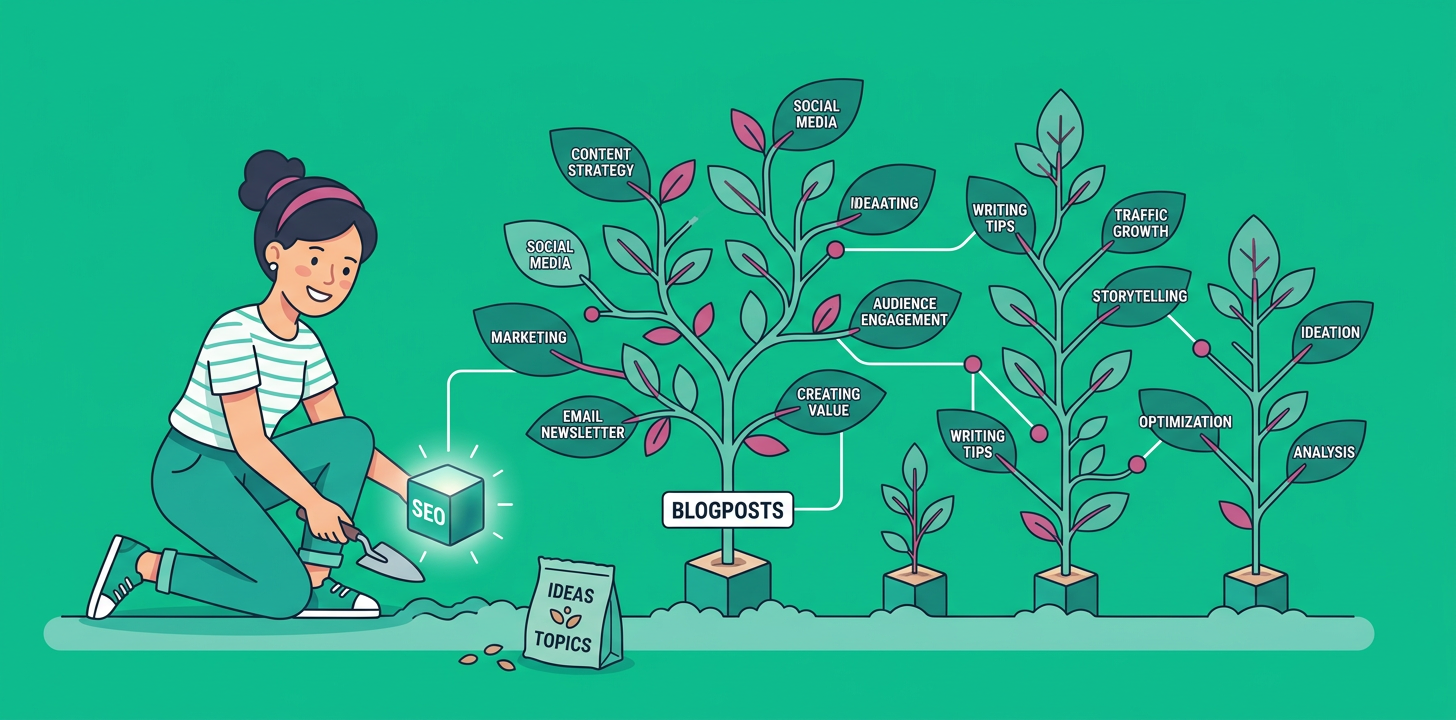
How do you build topical authority with a new blog? You build it by choosing one focused niche, publishing a connected group of helpful articles, linking those articles together, and answering the next question your reader is likely to ask.
That’s the practical answer. How to build topical authority with a new blog is not about publishing random posts until something ranks. It’s about proving, piece by piece, that your blog understands a subject better than a scattered competitor with disconnected content.
Introduction
Starting a new blog can feel unfair. Bigger sites already have links, aged domains, giant content libraries, and brand recognition. You may be sitting there with a blank WordPress dashboard wondering, “How am I supposed to compete with that?”
Here’s the thing: a new blog can still win if it gets specific enough.
Topical authority is your blog’s reputation around a subject. Not your reputation everywhere. Not your ability to cover every trend. Your reputation inside one clear content lane.
For a new blog, that’s great news. You don’t need to become the best marketing site on the internet. You need to become unusually helpful for one audience, around one problem, with a content system that keeps compounding.
If you’re a blogger, founder, marketer, creator, ecommerce owner, agency, or small business trying to grow with organic traffic, this guide gives you a Day One plan you can actually follow.
What Topical Authority Means for a New Blog
Topical authority means your site has enough useful, connected, trustworthy content around a subject that both readers and algorithms can understand your expertise.
Think of it like a neighborhood. One isolated article is a house in the middle of nowhere. A topical authority strategy builds streets, signs, landmarks, and related destinations. Visitors can move naturally from beginner questions to advanced guides, comparisons, tools, examples, and buying decisions.
For a new blog, authority usually comes from:
- A narrow topic focus
- Consistent publishing
- Clear internal links
- Useful beginner and advanced content
- First-hand examples
- Strong page structure
- Answers that satisfy real intent
- Fresh updates as the topic changes
Google’s public creator guidance has long encouraged helpful, reliable, people-first content. You can explore broader official documentation through Google for Developers, but the main takeaway is simple: make content for real readers first, then organize it so machines can understand it.
That’s where most new blogs go wrong. They chase keywords one by one instead of building a complete learning path.
How to Build Topical Authority With a New Blog From Day One
The fastest path is not “publish more.” It’s “publish in the right order.”
A progressive content strategy starts with foundational education, then expands into supporting questions, examples, comparisons, tools, and decision-stage content. You meet readers where they are, then guide them deeper.
Start With One Core Topic, Not Ten
Your first decision is what you want to be known for.
Bad starting point:
- Marketing
- Fitness
- Finance
- Software
- Travel
Better starting point:
- Blogging for small business owners
- WordPress SEO for local service companies
- Email marketing for SaaS founders
- Product photography for Shopify stores
- Content planning for solo consultants
The more focused your early topic, the easier it is to build depth. Broad blogs usually become shallow. Focused blogs can become useful fast.
Ask yourself:
- Who exactly am I helping?
- What problem do they urgently want solved?
- What do they need to know before they can act?
- What mistakes do beginners keep making?
- What would make my blog feel like the obvious resource?
If your answer is “I help everyone learn everything,” narrow it. Authority grows faster when your positioning is clear.
Build a Topic Map Before Writing
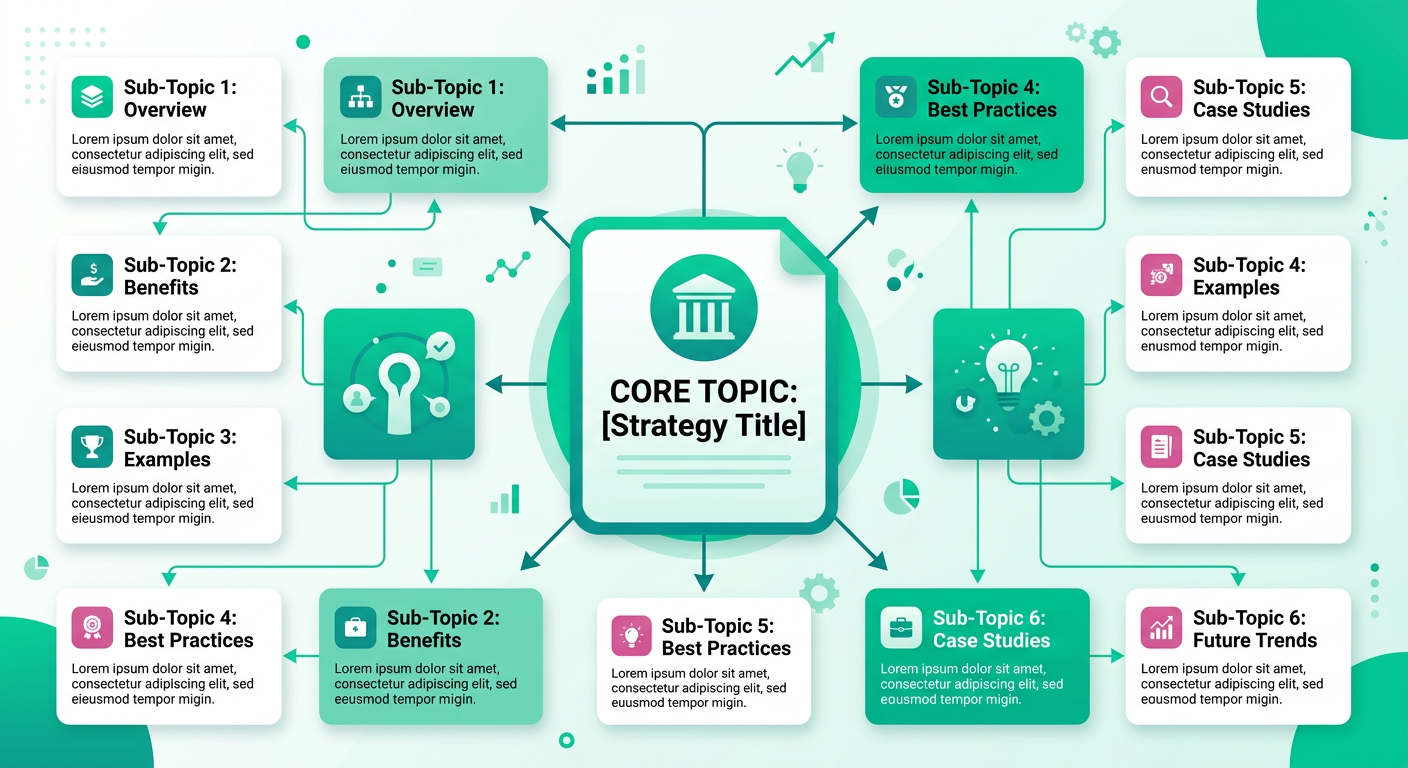
A topic map is a simple plan that shows the full subject you want to cover. It prevents random publishing and helps every post support another post.
Start with one pillar topic. Then create clusters around it.
Example pillar:
- Blogging for small business
Supporting clusters:
- What blogging is and why it matters
- Blog topic ideas
- Keyword planning
- WordPress setup
- Blog post writing
- Internal links
- Content calendars
- AI visibility
- Lead generation from blog content
- Measuring organic growth
Each cluster should contain beginner, practical, and comparison-style articles.
For example, under “blog topic ideas,” you might publish:
- What are blog topic ideas?
- How to find blog ideas for a small business
- Blog ideas for SaaS companies
- Blog ideas for ecommerce stores
- Blog topic ideas vs keywords
- How many blog topics should you plan each month?
Notice the difference? You’re not guessing. You’re creating a connected library.
Use a Progressive Content Strategy
A progressive content strategy means you publish content in the same order your reader learns.
Most new blogs skip this. They write advanced posts before covering the basics. Or they publish product-led articles before the audience even understands the problem.
A better approach is to build in stages.
Stage One: Definition and Beginner Content
These posts answer “what is” and “why does it matter” questions.
Examples:
- What is topical authority?
- What is a content cluster?
- What is a blog content calendar?
- What is internal linking?
- What is organic traffic?
These posts are often easier for a new blog to compete for because they target specific learning moments. They also create the foundation for future internal links.
Stage Two: How-To Content
Once the basics exist, publish actionable guides.
Examples:
- How to create a blog content plan
- How to write blog posts faster
- How to optimize WordPress blog posts
- How to choose blog keywords
- How to create a topical map
This is where trust starts to build. Readers don’t just want definitions. They want steps, examples, templates, and confidence.
Stage Three: Comparison and Decision Content
Now you can help readers evaluate options.
Examples:
- Content calendar vs topic cluster
- Blogging manually vs blog automation
- WordPress blog vs Medium blog
- Hiring writers vs using an automated content tool
- SEO agency vs in-house blogging system
These posts often attract readers closer to taking action.
If you’re using WordPress and want a simpler workflow, ContentBeast’s WordPress blog automation tool can help with topic planning, article creation, images, links, and publishing.
Stage Four: Proof, Examples, and Updates
Finally, add content that demonstrates experience.
Examples:
- Case studies
- Before-and-after content updates
- Monthly traffic breakdowns
- Example content calendars
- Mistake lists
- Industry trend commentary
This content helps your blog feel alive. It also gives AI answer tools and Google more specific context about what your site actually knows.
Pick Long-Tail Keywords That Match Real Questions
A new blog should not begin with the hardest, broadest keyword in the niche. That’s like opening a coffee cart and trying to compete with Starbucks on day one.
Start with long-tail keywords. These are more specific phrases that reveal clear intent.
Good long-tail patterns include:
- What is…
- How to…
- Best way to…
- Difference between…
- Why does…
- Examples of…
- For beginners
- For small business
- For WordPress
Instead of targeting “blogging,” target “how to create a blog content calendar for a small business.”
Instead of “SEO,” target “how to optimize a WordPress blog post before publishing.”
Long-tail content helps you build topical depth while attracting readers with specific needs. Over time, those smaller wins support bigger pages.
Create Pillar Pages That Act Like Hubs
A pillar page is a broad guide that introduces a major topic and links to deeper supporting articles.
For a new blog, pillar pages are important because they organize your authority. They tell readers, “Start here, then go deeper.”
A strong pillar page should include:
- A clear definition
- A quick answer near the top
- Beginner-friendly context
- Key subtopics
- Links to related articles
- Examples and use cases
- FAQs
- A practical next step
For example, a pillar page on “blog content strategy” might link to articles about keyword planning, topic clusters, writing workflows, internal links, AI visibility, and content refreshes.
Don’t try to make one pillar page answer everything in extreme detail. Its job is to guide. The supporting articles do the deeper teaching.
Link Related Posts Like a Real Learning Path
Internal links are one of the most underrated parts of topical authority.
A new blog with twenty connected posts is usually stronger than a blog with fifty isolated posts. Links help readers keep learning. They also help Google understand relationships between pages.
Use internal links when:
- A term needs more explanation
- A reader may need a beginner guide before continuing
- A related how-to guide supports the current article
- A comparison page helps with decision-making
- A product or service page is the logical next step
For example, if you publish across multiple platforms, ContentBeast integrations can support content workflows for WordPress, Ghost, Shopify, Webflow, Wix, Medium, and other sites.
Good internal links feel helpful, not forced. The goal is to move the reader forward.
Make Every Article More Useful Than the Obvious Answer
Here’s a simple test: after someone reads your post, can they do something better than before?
If not, the article probably isn’t strong enough.
To make content more useful, add:
- Original examples from your own work
- Screenshots or visuals when helpful
- Common mistakes
- Decision criteria
- Templates
- Checklists
- Mini case studies
- Plain-English definitions
- Next-step guidance
For a new blog, originality matters. You may not have massive domain strength yet, but you can still sound like someone who has actually done the work.
Avoid generic filler like “content is king” or “SEO is important.” Your readers already know that. Show them what to do on Monday morning.
Publish Consistently Without Burning Out
Topical authority compounds, but only if you keep publishing.
That doesn’t mean you need to write daily by hand. It means you need a repeatable system.
A simple weekly publishing rhythm might look like this:
- One beginner article
- One how-to article
- One supporting FAQ article
- One content refresh or improvement
If that feels like too much, start with two posts per week. Consistency beats occasional bursts.
Many blog owners fail because they treat content like a creative mood instead of an operating system. They wait for inspiration, then disappear for six weeks.
A better system includes:
- A topic backlog
- A monthly content plan
- Defined article templates
- A review checklist
- A publishing schedule
- A refresh plan
If time is the main obstacle, ContentBeast can automate planning, writing, images, links, and publishing so your blog keeps growing while you focus on the business.
Optimize for AI Answers and Google Rankings Together
Modern visibility is not only about blue links. Your content may also be summarized, mentioned, or used as a source of context by AI answer tools.
To improve your odds, structure each article clearly.
Use:
- A direct answer near the top
- Descriptive headings
- Short paragraphs
- Definitions
- Examples
- FAQs
- Schema markup when appropriate
- Clear author or brand context
- Updated information
Schema.org is a useful place to understand structured data vocabulary. You don’t need to become a technical SEO expert, but basic Article, FAQ, Organization, and Breadcrumb markup can help machines understand your content.
Also, don’t bury the answer. If the article is about how to build topical authority, say the answer clearly before expanding. Readers appreciate it, and AI tools can parse it more easily.
Track Progress by Topic, Not Just by Page
A common mistake is judging every article in isolation.
Topical authority is bigger than one post. A beginner guide may not bring leads directly, but it can support a how-to guide. A comparison article may not get huge traffic, but it may convert readers. An FAQ post may capture very specific intent that strengthens the whole cluster.
Track:
- Which topic clusters gain impressions
- Which articles earn clicks
- Which pages lead to signups or inquiries
- Which posts attract links
- Which articles need updates
- Which topics readers engage with most
The goal is not just traffic. The goal is qualified attention that can grow into trust, leads, and customers.
Common Mistakes New Blogs Make
Publishing Random Topics
If your blog covers email marketing one week, productivity the next, then crypto news after that, it’s hard to build a clear identity. Stay focused until your core topic is well covered.
Writing Only for Keywords
Keywords matter, but they’re not the whole strategy. If the article doesn’t help a real person solve a real problem, it won’t build lasting authority.
Ignoring Internal Links
Publishing without links is like building rooms without doors. Every related article should connect to the larger topic path.
Giving Up Too Soon
A new blog needs time. The first few months are about building the base. Compounding usually comes after enough useful content exists for readers and algorithms to connect the dots.
Publishing Thin AI Content
AI can help you move faster, but generic output won’t build authority. Add examples, brand voice, practical steps, and human judgment.
Build Your Blog Authority Faster With ContentBeast
If you want to grow a blog but don’t have time to plan, write, optimize, and publish consistently, ContentBeast gives you a simpler system. It helps create SEO-friendly, AI-ready articles with topic planning, internal links, images, FAQs, and automated publishing.
You bring the business knowledge. ContentBeast helps you build the publishing engine that supports long-term topical authority.
FAQ
How long does it take to build topical authority with a new blog?
Most new blogs need several months of focused publishing before they see meaningful traction. The timeline depends on your niche, competition, content quality, publishing frequency, and how well your articles connect to each other.
How many posts do I need for topical authority?
There is no magic number. A narrow niche may need twenty strong articles to feel complete, while a broad topic may need hundreds. Start by covering one focused cluster deeply before expanding.
Should a new blog use pillar pages or individual posts first?
Use both, but start with a simple pillar page and a small group of supporting posts. The pillar organizes the topic, while the supporting posts answer specific questions in more depth.
Can AI-written content build topical authority?
Yes, if it is edited, accurate, useful, and shaped by real expertise. AI can speed up production, but your examples, opinions, experience, and quality control make the content trustworthy.
What is the best first topic for a new blog?
The best first topic sits at the intersection of your expertise, your audience’s pain, and your business goals. Choose something narrow enough to cover deeply but important enough to attract future customers.
How often should a new blog publish?
Two to four high-quality posts per week is a strong pace for many early blogs. If that’s not realistic, publish once per week and stay consistent. A reliable cadence is better than a short burst followed by silence.
Do backlinks matter for topical authority?
Yes, but they work best when your content foundation is already strong. Internal links and content depth come first. Relevant outside mentions can then strengthen your authority over time.
Conclusion
Learning how to build topical authority with a new blog comes down to focus, depth, and consistency. Pick one clear topic, map the questions your audience asks, publish in a logical order, and connect every article into a useful learning path.
You don’t need to beat huge competitors everywhere. You need to become the most helpful resource for a specific audience with a specific problem.
Start narrow. Build the cluster. Improve as you learn. That’s how a new blog becomes a trusted authority, one helpful article at a time.
