

When your blog posts are getting views but not enough mentions, clicks, or leads, the problem usually isn’t effort, it’s visibility. AI visibility for blogs is becoming the new battleground, because readers are no longer discovering content only through search engines, they’re also finding answers through AI tools and summaries.
Here’s the good news. You do not need a massive content overhaul to improve your odds. A handful of smart, low-lift changes can help your posts show up more often, get cited more easily, and perform better across search and AI-assisted discovery.
What AI Visibility for Blogs Really Means
AI visibility is how easily your content can be discovered, understood, and referenced by AI systems and search experiences. That includes traditional search results, AI summaries, answer engines, and content recommendation layers.
For blog owners, this matters because the best content is not always the most visible. Clear structure, specific answers, internal links, and topic consistency often beat generic posts that look polished but lack substance.
Why it matters for small teams
If you are running a blog with limited time, you need wins that compound. Better visibility can help you:
- Earn more traffic from existing posts
- Increase brand mentions in AI-driven results
- Improve click-through rates with clearer answers
- Stretch the value of every article you publish
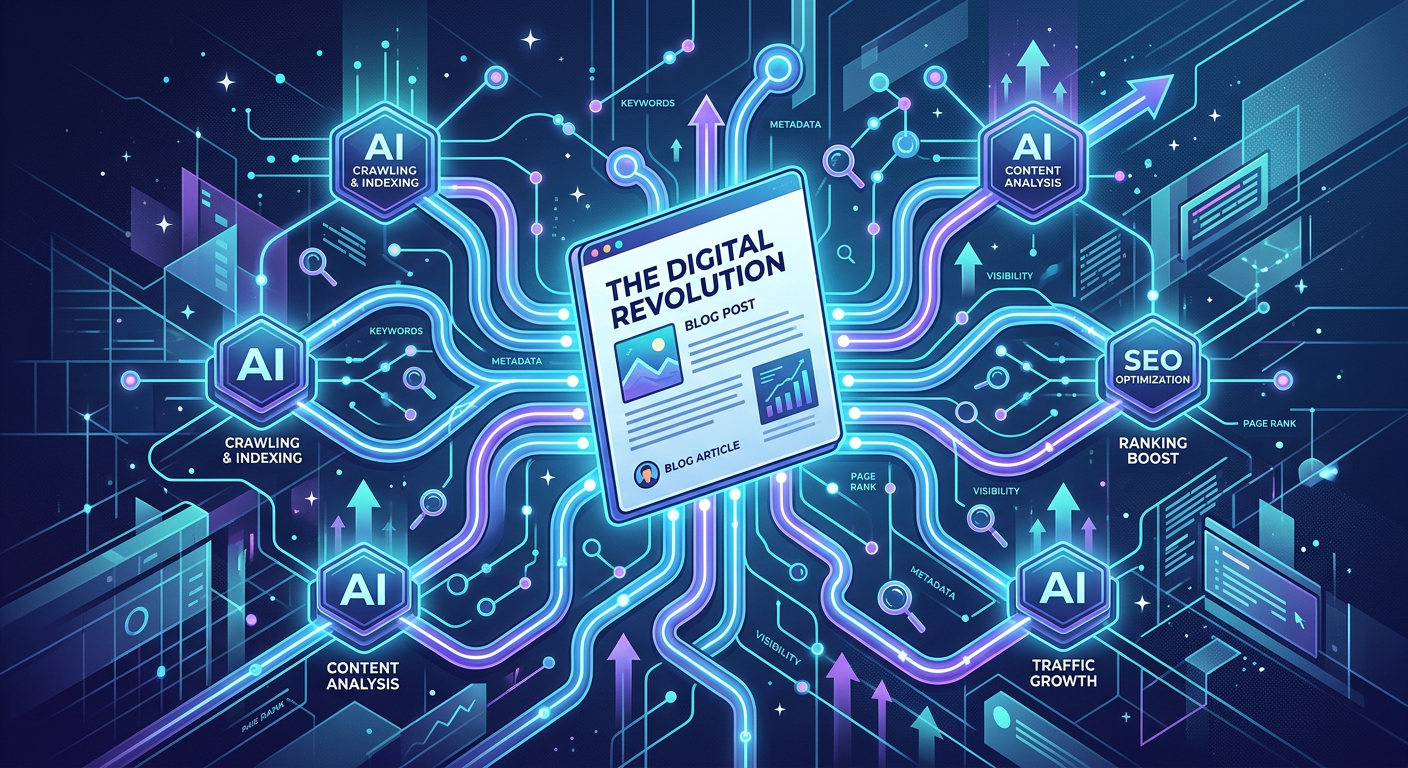
9 Fast Wins to Improve Blog Visibility
1. Tighten your topic focus
Each post should solve one specific problem. When a page tries to cover too much, it becomes harder for people and AI systems to understand what it is best for.
Choose one primary question, then support it with related subtopics. That makes the article more scannable and more likely to match a clear intent.
2. Put the answer near the top
AI systems and busy readers both prefer fast clarity. Start with a direct answer in the first few paragraphs, then expand with examples and detail.
That does not mean writing short posts. It means leading with the payoff so your content can be summarized cleanly.
3. Use structured headings
Headings are not just for readability, they are signals. Well-organized H2 and H3 sections help content get parsed and reused more easily.
A simple structure works well:
- Problem
- Quick answer
- Steps
- Mistakes
- FAQ
- Next action
4. Refresh older posts before writing new ones
If you already have content, start there. Refreshing posts with better internal links, updated stats, stronger openings, and clearer subheadings can deliver faster gains than publishing from scratch.
This is one of the easiest ways to improve AI visibility for blogs without adding much workload.
5. Add internal links with intent
Internal links help search systems understand which pages matter most. They also guide readers deeper into your site, which can improve engagement and conversions.
Link from broader posts to more specific ones, and from newer posts back to evergreen pages you want to rank.
6. Target low-competition long-tail keywords
You do not need to chase the biggest terms first. Long-tail phrases often bring faster traction because they match narrower intent and face less competition.
For example, instead of “blog SEO,” target phrases like “how to improve blog visibility with AI tools” or “content refresh tips for B2B blogs.”
7. Make your content easy to quote
AI systems love clean, concise language. Use short definitions, bullet lists, and summary lines that can stand alone.
Good candidates include:
- One-sentence definitions
- Step-by-step instructions
- Short comparison tables
- Frequently asked questions
8. Repurpose one article into multiple formats
A single strong post can become a newsletter, LinkedIn post, short video script, email sequence, or FAQ page. That expands your reach without requiring a full new article every time.
Repurposing also reinforces your topic authority across channels, which helps your main blog content gain more momentum.
9. Keep your publishing cadence realistic
Consistency matters more than volume for most small teams. A manageable schedule builds topical depth over time, which is better than publishing frequently and inconsistently.
If you can only ship one strong post per week, make it useful, structured, and connected to your core offers.
A Simple Workflow You Can Use This Week
Start with one existing post. Update the title, add a clearer introduction, include two internal links, and tighten the headings.
Then add one FAQ section, one summary block, and one new long-tail keyword variation. That alone can make the content easier for both humans and AI systems to understand and reuse.
A practical checklist
- Clarify the post’s main intent
- Add an answer in the first 100 words
- Break content into scannable sections
- Link to related articles
- Refresh outdated examples or stats
- Add a conclusion that pushes one next step
Common Mistakes That Hurt Visibility
One of the biggest mistakes is writing for breadth instead of clarity. Another is burying the answer deep in the article, where it is harder to extract.
Other issues include thin internal linking, weak titles, and too much jargon. If a reader cannot tell what your post is about in a few seconds, search and AI systems may struggle too.
FAQ
How do I know if my blog is getting better AI visibility?
Look for signs like more branded mentions, better ranking for long-tail terms, higher engagement on refreshed posts, and increased traffic from older content.
Do I need new content to improve visibility?
Not always. Updating high-potential posts often produces faster gains than publishing new ones, especially for smaller sites.
What kind of content works best for AI discovery?
Clear, specific, well-structured posts that answer one question well tend to perform best. FAQs, how-to content, and comparison posts are especially useful.
How many internal links should I add?
There is no perfect number, but most posts benefit from several relevant links, especially when they point to related resources and important money pages.
Should I use AI to write my blogs?
You can use AI to speed up outlining, research, and repurposing, but the best results usually come from human editing, original insight, and a clear point of view.
How fast can I see results?
It depends on your site, competition, and how strong the original content is. Simple refreshes can help within weeks, while broader visibility gains may take longer.
Build Momentum With a Smarter Content System
If you want more results without creating more pressure, focus on the highest-leverage improvements first. That means refreshing what you already have, organizing content better, and making your posts easier to discover and reuse.
For teams that want fast, practical growth, ContentBeast can help you turn simple blogging habits into a more visible content engine. Start with one post, one refresh, and one clear next step, then build from there.
Final Takeaway
AI visibility for blogs is not about gaming the system. It is about making your content clearer, more useful, and easier to trust.
If you focus on structure, intent, internal linking, and refreshes, you can create a blog that performs better in both search and AI-driven discovery, without adding a huge amount of work.