

Why is my blog not getting search traffic? Usually, it is not one big problem, it is a handful of small ones adding up. The good news is that most blogs are not broken, they are just missing a few SEO basics that help Google understand, trust, and rank the content.
If you have been publishing consistently and still seeing almost no organic visitors, you are not alone. The issue is often weak search intent matching, poor keyword targeting, thin content, technical barriers, or simply not enough authority yet.
Why Is My Blog Not Getting Search Traffic?
The short answer is that search engines are not seeing enough reason to send people to your pages. That can happen when your content is not targeting the right queries, your site has indexing issues, or your articles are not strong enough to compete.
Here is the thing, blogging alone does not guarantee traffic. You need the right mix of topic selection, on-page SEO, internal linking, consistent publishing, and content that actually deserves to rank.
1. You Are Targeting Keywords Nobody Searches For
A common mistake is writing about topics that sound important to your business but do not match real search demand. If nobody is searching for the phrase you are targeting, the page has very little chance of getting traffic.
Instead of guessing, build content around long-tail keywords, common questions, and specific problems your audience actually has. For example, “why is my blog not getting search traffic” is stronger than a vague topic like “blog growth ideas.”
2. Your Content Does Not Match Search Intent
Search intent is the reason behind the query. If someone searches for a how-to answer and lands on a sales page, or if they want a comparison and get a generic overview, Google is unlikely to keep ranking that page.
You need to study the results already ranking for your target keyword. If the top pages are guides, your page should be a guide. If they are list posts, yours should probably be a list post too.
3. Your Blog Has Weak Topical Focus
If your blog covers too many unrelated subjects, search engines may struggle to understand what your site is really about. A scattered content strategy makes it harder to build authority in any one area.
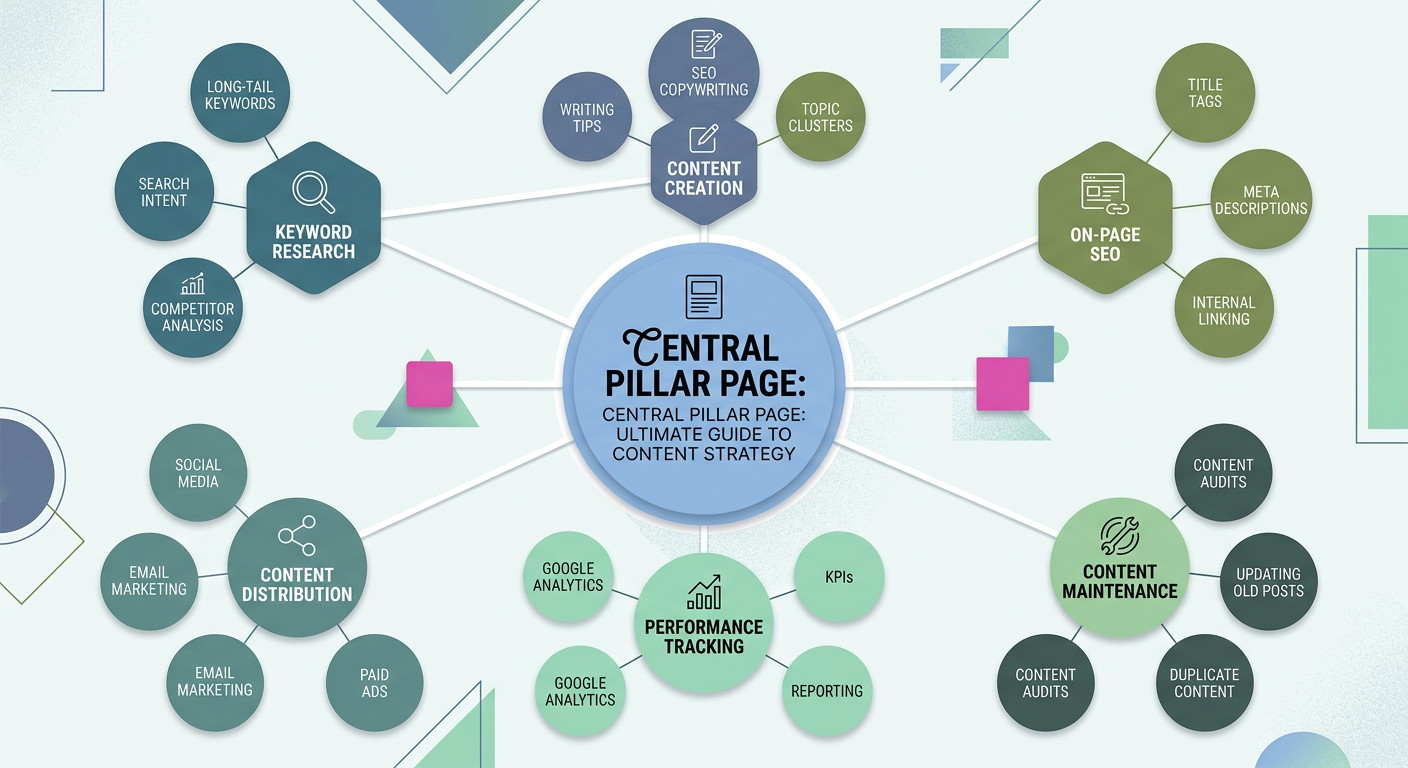
A stronger approach is to group content into themes. For example, if you are a SaaS company, build clusters around onboarding, retention, automation, and product education. That makes it easier for Google to connect the dots.
4. Your Pages Are Not Indexed Properly
Sometimes the problem is not ranking, it is visibility. If Google has not indexed your pages, they cannot appear in search results at all.
Check your sitemap, robots settings, noindex tags, and Search Console coverage reports. If new posts are published but never show up, technical indexing issues could be blocking them.
5. Your Content Is Too Thin to Compete
Short posts often struggle unless they answer a very narrow question extremely well. If your article barely covers the topic, gives no examples, and does not solve the reader’s problem, it will usually lose to deeper, more useful content.
That does not mean every post needs to be massive. It means every post should be complete. Cover the question, add examples, address objections, and include actionable next steps.
6. Your Titles and Headings Are Not Optimized
Search engines use your title and headings to understand what the page is about. If those elements are vague, too clever, or not aligned with the keyword, your content becomes harder to rank.
A strong title is clear, specific, and naturally includes the main phrase. Your H2s should reinforce the topic, not wander away from it.
7. You Have No Internal Linking Strategy
Internal links help search engines discover and understand your content. They also help readers move through related topics, which can improve engagement and make your content hub feel more connected.
If your posts are isolated, they may never build momentum. Link related articles together using descriptive anchor text, especially from higher-authority pages to newer pages.
8. Your Site Lacks Authority and Trust Signals
Newer sites often struggle because they have not built enough authority yet. Search engines tend to trust sites that show expertise, consistency, and a clear focus.
That is why backlinks, author credibility, original insights, and consistent publishing matter. Over time, these signals help your blog compete for better positions.
9. You Are Not Updating Old Content
A blog can lose traffic if its content gets stale. Search results change, competitors improve their pages, and outdated posts slowly fall behind.
Review older articles regularly. Refresh examples, improve structure, add new stats, and tighten the SEO. Sometimes a quick update drives more gain than publishing something brand new.
What To Fix First If Your Blog Has No Traffic
If you want quick progress, start with the biggest bottlenecks first.
Step 1, Find the right keywords
Focus on long-tail search phrases your audience already uses. Look for queries with clear intent and realistic competition.
Step 2, Improve page quality
Make the article more complete, easier to scan, and more helpful than what is already ranking.
Step 3, Build internal links
Connect related posts so your site starts to look like a structured topic cluster instead of a pile of disconnected articles.
Step 4, Check indexing and technical issues
Make sure your pages are crawlable, indexable, and free from accidental blocks.
Step 5, Keep publishing consistently
Organic growth usually comes from compounding effort. One post rarely changes everything, but a focused system does.
How Automation Can Help You Get Traffic Faster
If you are short on time, automation can make blogging much easier to sustain. It can help you generate topic ideas, organize content briefs, publish consistently, and reduce the manual work that slows teams down.
For website owners, SaaS founders, e-commerce teams, agencies, and small businesses, that matters. The real advantage is not just speed, it is consistency, which is often the missing ingredient behind search growth.
FAQ
How long does it take for a blog to get search traffic?
It depends on competition, content quality, and site authority. Some posts start getting impressions in weeks, while others need several months to gain traction.
Why are my blog posts indexed but still not ranking?
Usually the content is not strong enough for the query, the intent is off, or competing pages have stronger authority and better optimization.
Does posting more often help SEO?
Yes, if the content is useful and well-structured. Publishing more low-quality articles will not help much, but consistent high-quality content can build topical authority over time.
What is the fastest way to improve blog traffic?
Update your best existing posts, target better keywords, add internal links, and improve the overall depth and clarity of your content.
Do I need backlinks to rank?
Backlinks help a lot in competitive spaces, but they are not the only factor. Strong content, clear intent matching, and technical health also matter.
Why does my blog get impressions but no clicks?
That usually points to weak titles, unappealing meta descriptions, or a mismatch between the search query and the page promise.
Build a Blog System That Actually Grows
If your blog is not getting search traffic, do not assume the whole strategy is a failure. Usually, it means the system needs refinement, not replacement.
At Content Beast, we help teams grow website traffic with blogging, SEO, and automation that makes consistent publishing much easier. If you want faster output, lower costs, and better Google and AI visibility, visit https://contentbeast.com and see how a smarter content system can help.
Final Takeaway
The reason your blog is not getting search traffic is usually one of a few fixable issues, keyword targeting, search intent, content quality, technical indexing, authority, or consistency. Once you identify the bottleneck, you can turn a quiet blog into a traffic engine.
Start with one page, one keyword, and one improvement at a time. Small SEO wins compound, and that is how real traffic growth happens.